
Many creators face the same problem after joining markets or design exhibitions:
“People said they liked my products… but why didn’t anything happen after the event?”
“How do handmade brands actually find buyers or stores?”
“Is there a way to turn exhibitions into long-term business opportunities?”
For many independent brands, the hardest part is not creating products
— it’s finding the right distribution channels,
wholesale collaboration opportunities, and business partners.
Some creators spend years posting on social media, joining weekend markets, and trying online ads, yet still struggle to reach retailers, concept stores, overseas buyers, or licensing partners.
That’s exactly why more creative brands are now paying attention to B2B matchmaking.
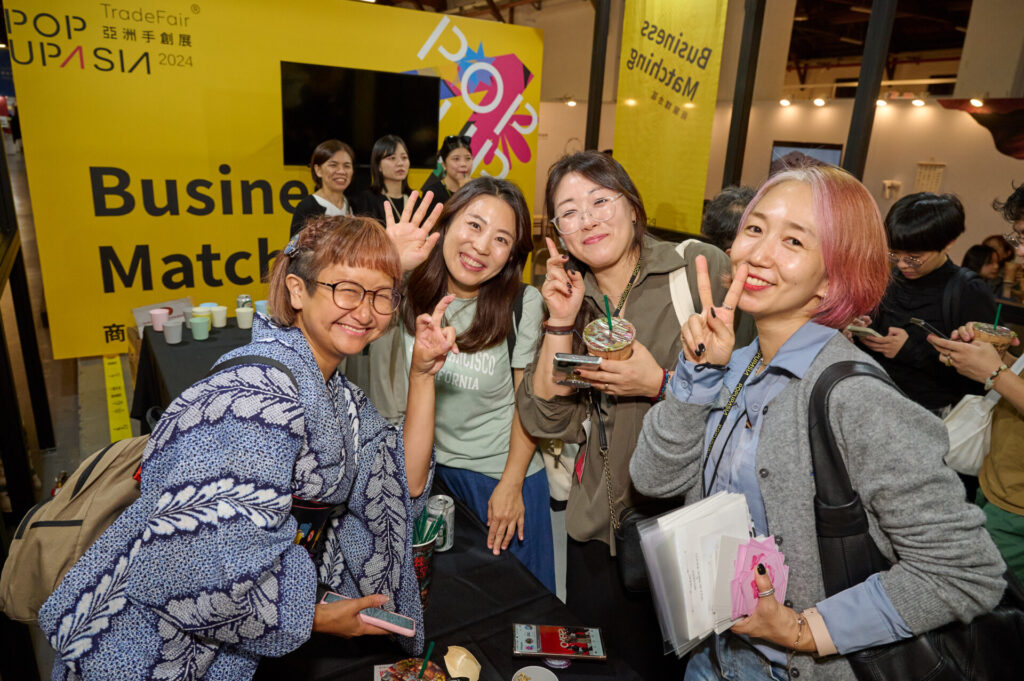
Because today, exhibitions are no longer just about selling products for four days.
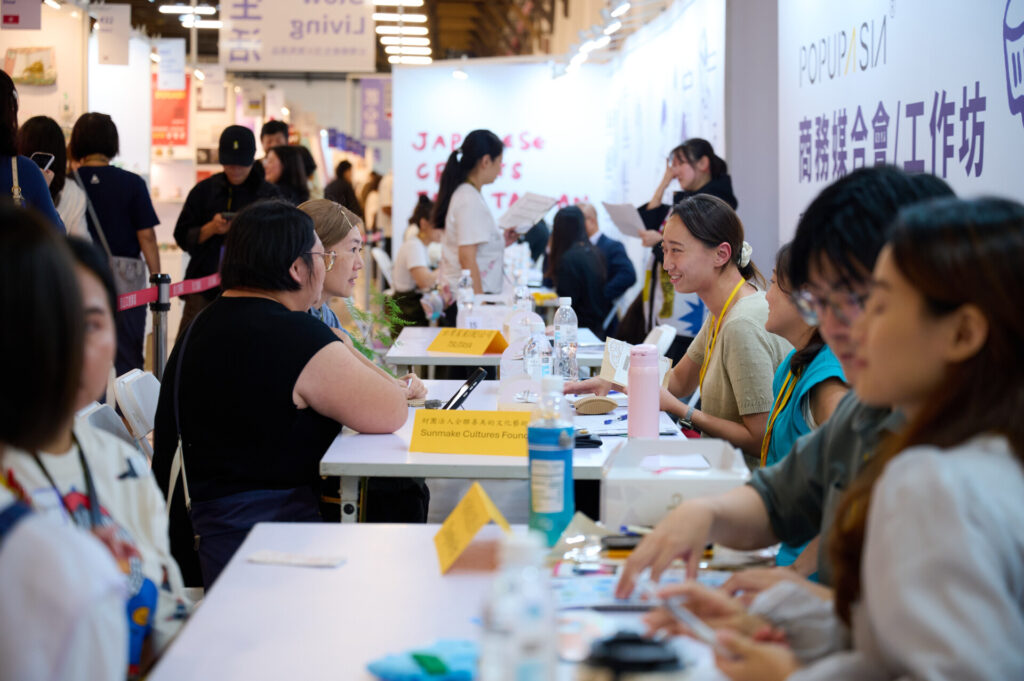
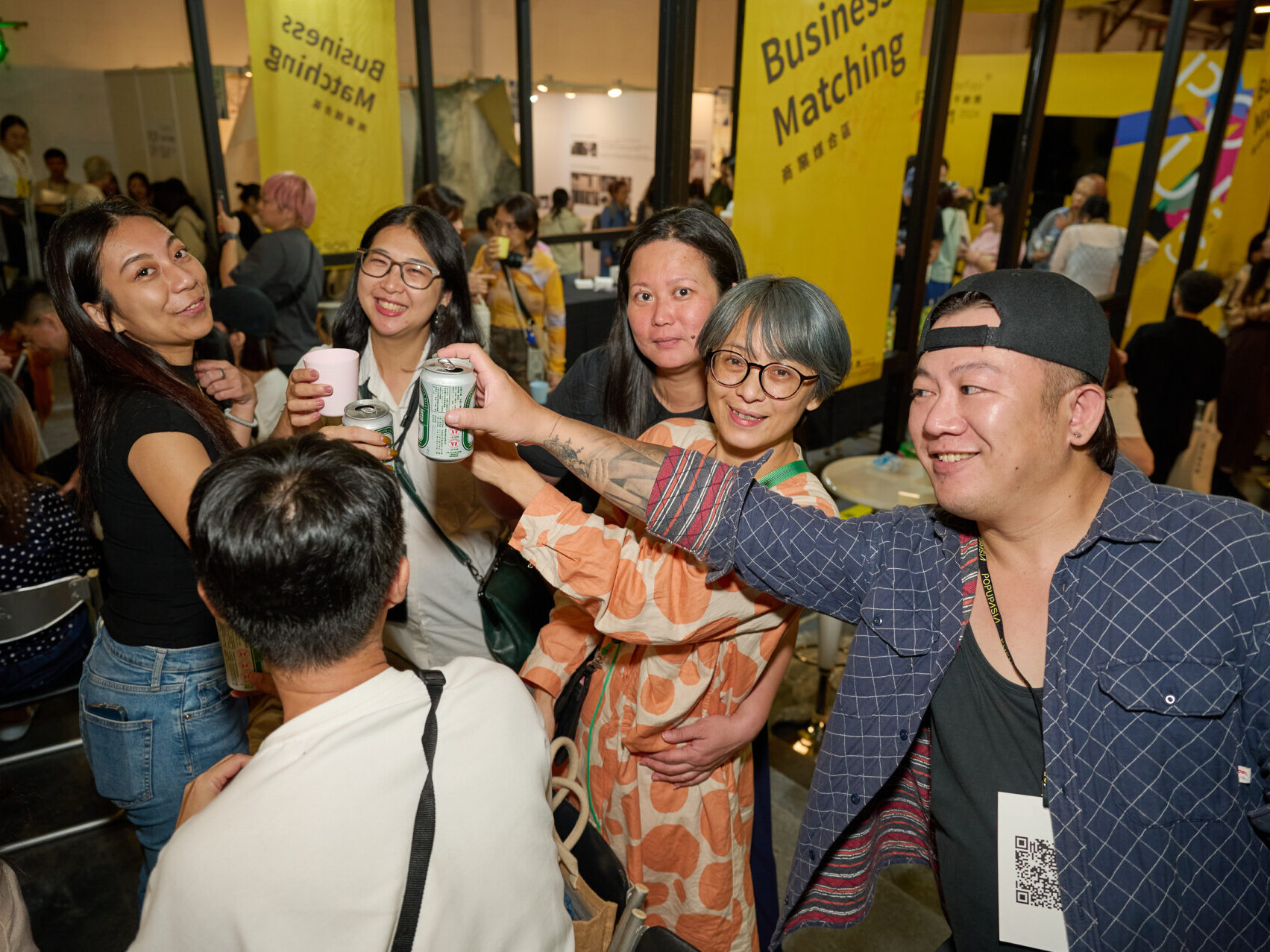
The right platform does more than create exposure — it helps brands connect with buyers, distributors, retailers, cultural organizations, and long-term collaboration opportunities.
And this shift is becoming one of the biggest trends across Asia’s creative industry.
⤷ What Is B2B Matchmaking?
B2B stands for “Business to Business.”
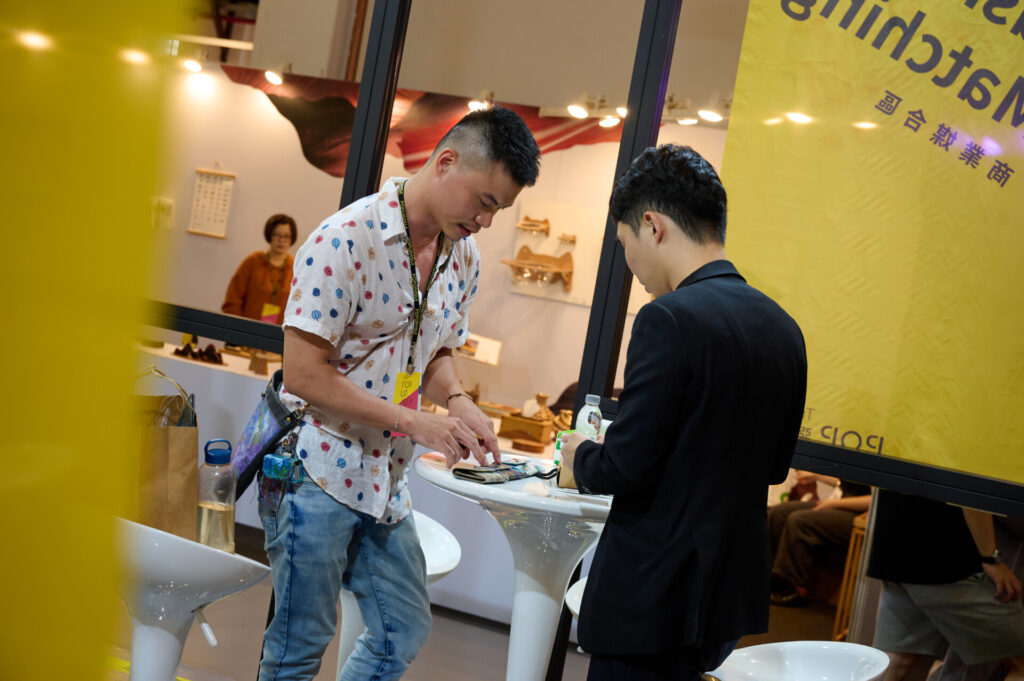
In simple words, B2B matchmaking means helping brands connect directly with potential business partners instead of only selling to individual consumers.
This could include:
- Wholesale collaboration with retailers
- Finding distribution channels overseas
- Co-branding opportunities
- Museum or cultural licensing projects
- Pop-up store collaborations
- Corporate gifting partnerships
- Department store or concept store sourcing
- International buyers looking for creative brands
For handmade creators, this matters because one good B2B partnership can sometimes create more long-term value than hundreds of one-time retail sales.
⤷ Why More Handmade Brands Are Looking Beyond B2C
For a long time, many creative brands focused mostly on B2C sales:
markets, Instagram, pop-up stores, and online customers.
But relying only on direct consumers can become exhausting.
Booth fees continue to rise.
Online advertising becomes more competitive.
And social media algorithms constantly change.
Many creators eventually realize:
The problem is not that their products are bad.
The problem is that they are trying to grow alone.
That is why more brands are starting to look for:
• Stable wholesale collaboration
• Retail distribution channels
• International exposure
• Long-term business partnerships
• Buyers who can continuously reorder products
Instead of chasing short-term traffic, brands now want sustainable business growth.
⤷ How POPUPASIA® Builds Creative B2B Connections
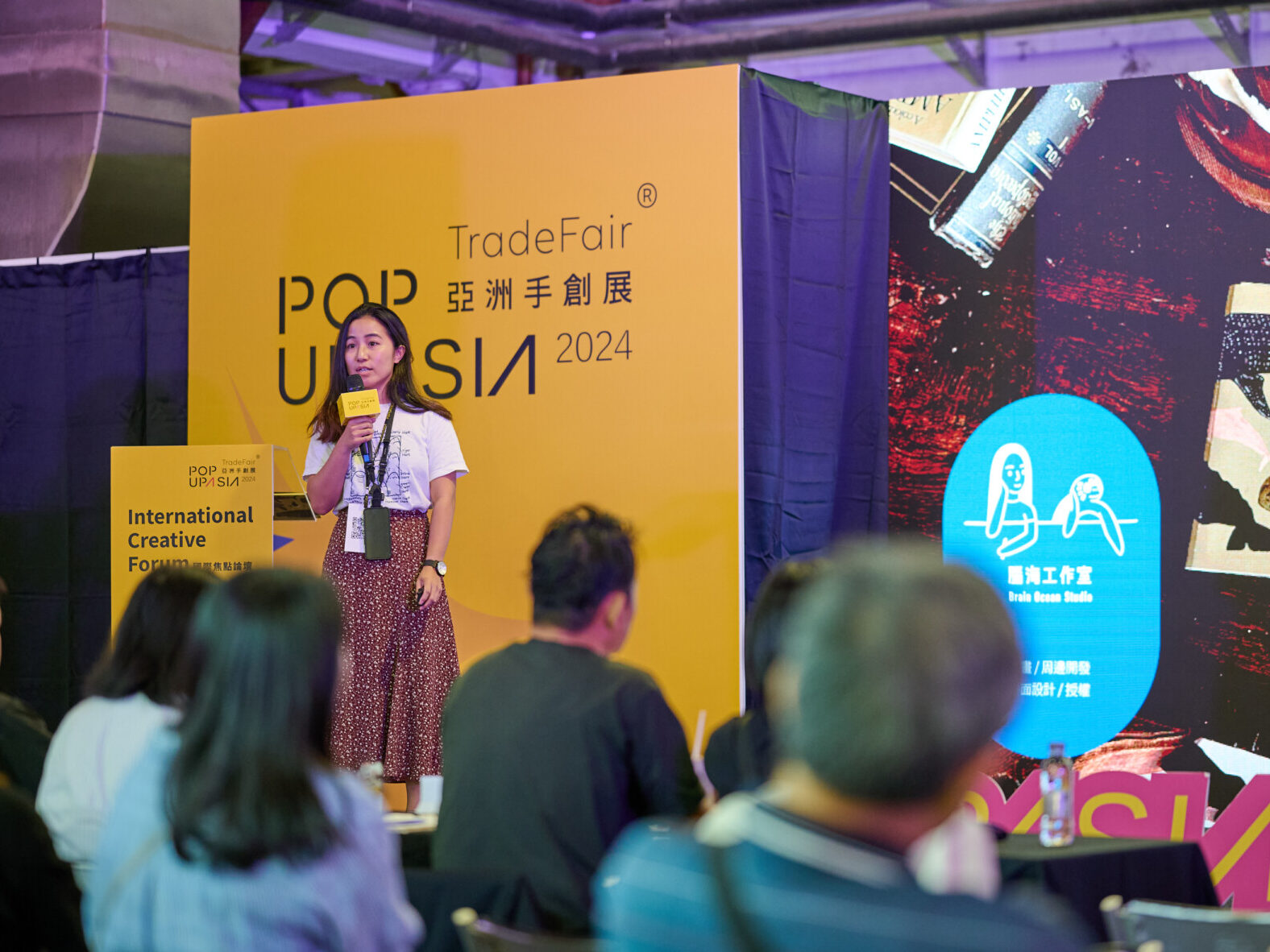
POPUPASIA® has been shifting its focus beyond traditional exhibition models by building a creative B2B ecosystem across Asia.
Instead of only creating short-term exposure, the platform focuses on helping creators build real business opportunities through:
• Buyer matchmaking
• Wholesale collaboration opportunities
• International brand connections
• Cross-border partnerships
• Creative industry networking
• Distribution channel development
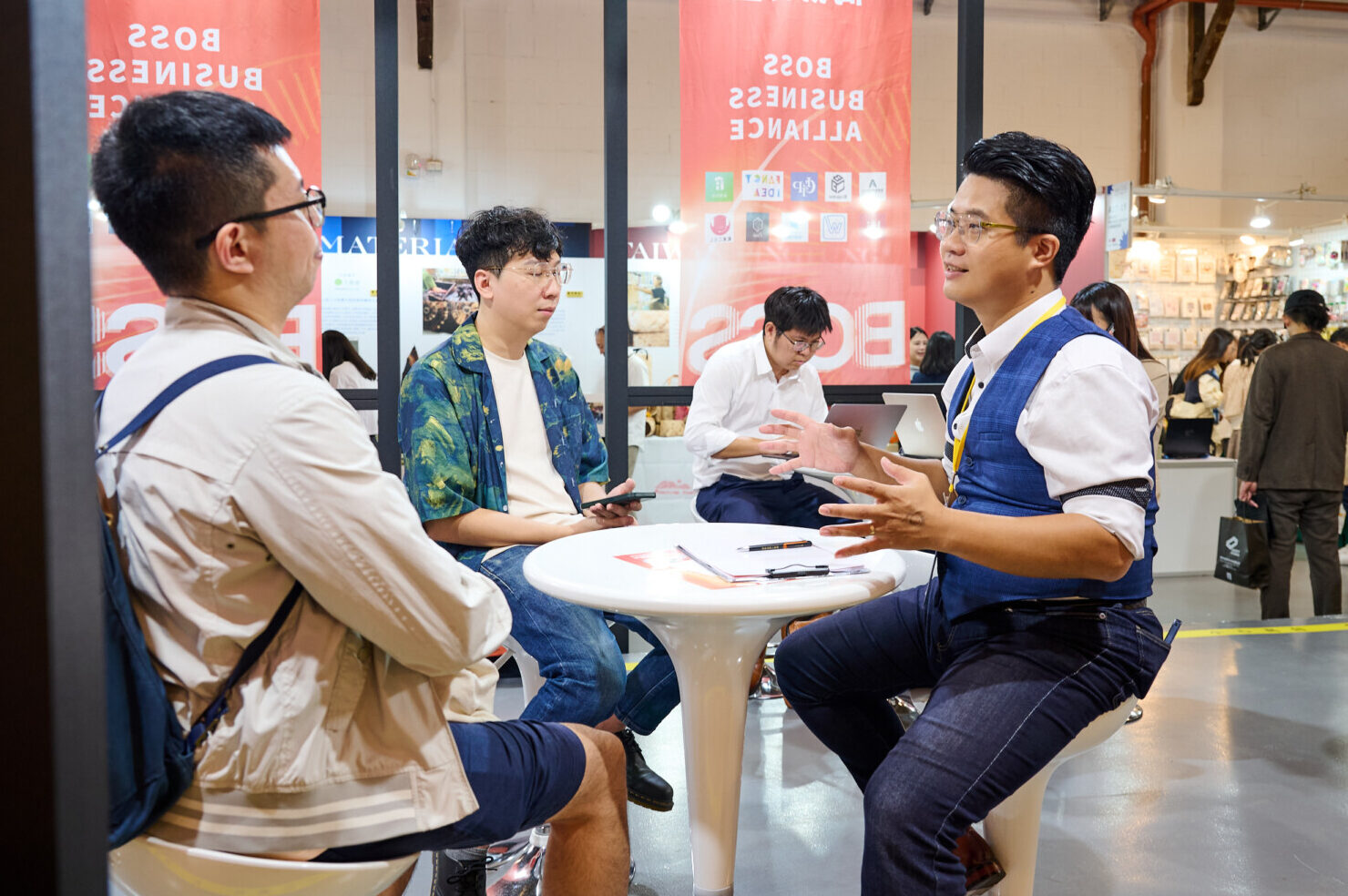
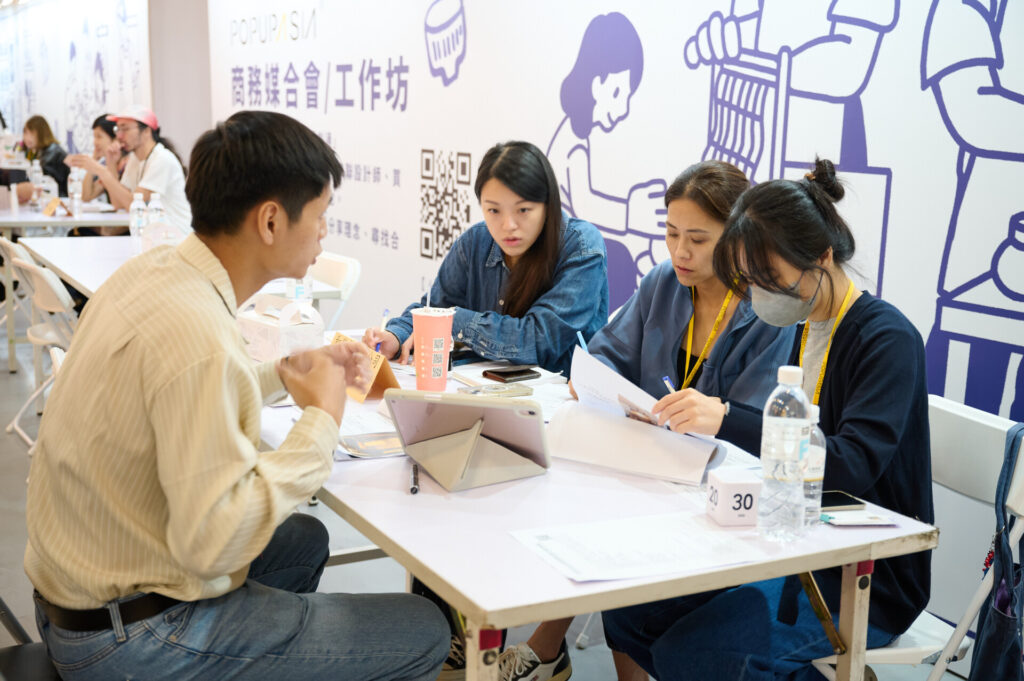
Today, the platform connects creators with buyers, retailers, cultural organizations, and global partners from Taiwan, Japan, Southeast Asia, and beyond.
Through POPPASS (Handicraft Connect), brands can also continue building visibility even outside exhibition periods.
This helps creators move beyond temporary exposure and enter longer-term business conversations.
Because in today’s market, brands do not only need attention.
They need sustainable partnerships.
⤷ Here Are Some B2B Collaborations Through POPUPASIA®
These are some real examples that show how our new direction is taking shape:
- POPUPASIA® × National Museum of History
We helped six Asian handmade brands enter the National Museum of History store. Through cultural licensing, museum curation, and physical retail channel collaboration, brand exposure was extended into more long-term and valuable B2B opportunities. - LOCAL CRAFT JAPAN × POPUPASIA®
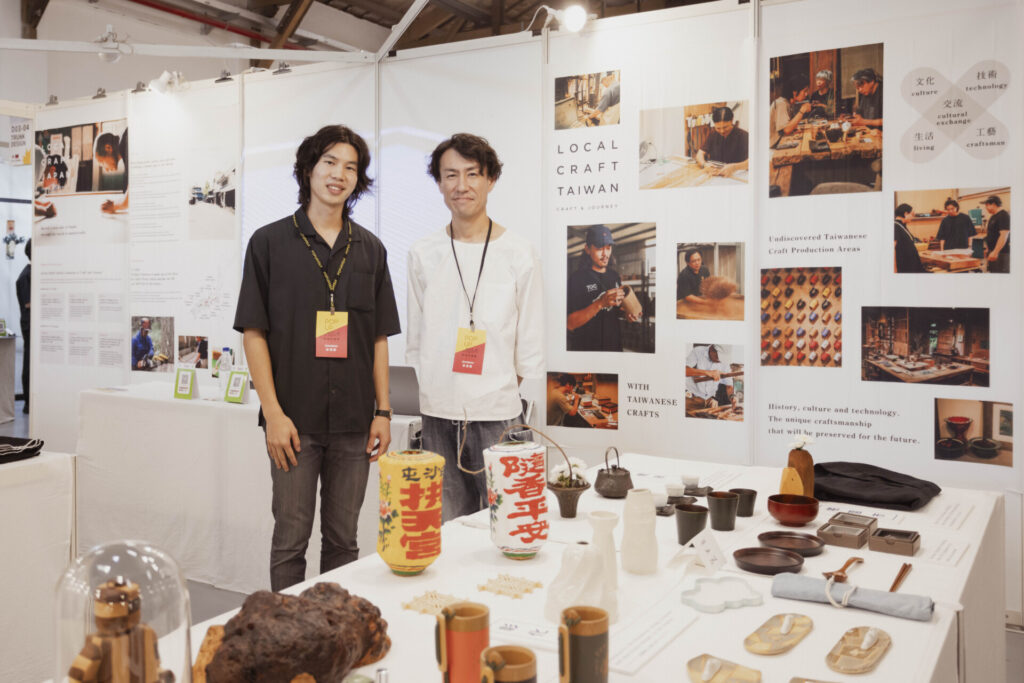
We collaborated with LOCAL CRAFT JAPAN to bring Japanese regional crafts, artisan brands, and the concept of craft tourism to POPUPASIA® 2025. Through booth showcases, curated product sales, workshops, and Japan–Taiwan artisan exchange activities, the collaboration helped Japanese craft brands connect with Taiwanese audiences, retail partners, and potential business opportunities, supporting long-term cross-border craft collaboration. - KEIBA × POPUPASIA®
We connected KEIBA, a century-old Japanese hand tool brand, its Taiwan distributor De Mao, and Asian handmade creators through supply chain visits, technical demonstrations, and cross-industry exchange. This helped creators access professional manufacturing resources and extended into product development, supply chain cooperation, and B2B co-creation opportunities. - POPUPASIA® × FamilyMart
We connected FamiTicket, FamiMarket, and FamiPrint to help Asian creators extend their works from the exhibition into retail, e-commerce, and digital licensing channels, creating long-term exposure, sales conversion, and B2B channel collaboration opportunities.
These weren’t lucky moments — they were the result of years of consistent effort.
✴︎ Join the Creative B2B Ecosystem ˚。⋆
Looking for buyers, retail opportunities, or creative business collaborations?
POPUPASIA® helps creators connect with buyers, distributors,
retailers, and global partners across Asia.
.ᐟ Ready to grow beyond one-time sales
and join POPUPASIA® B2B ?
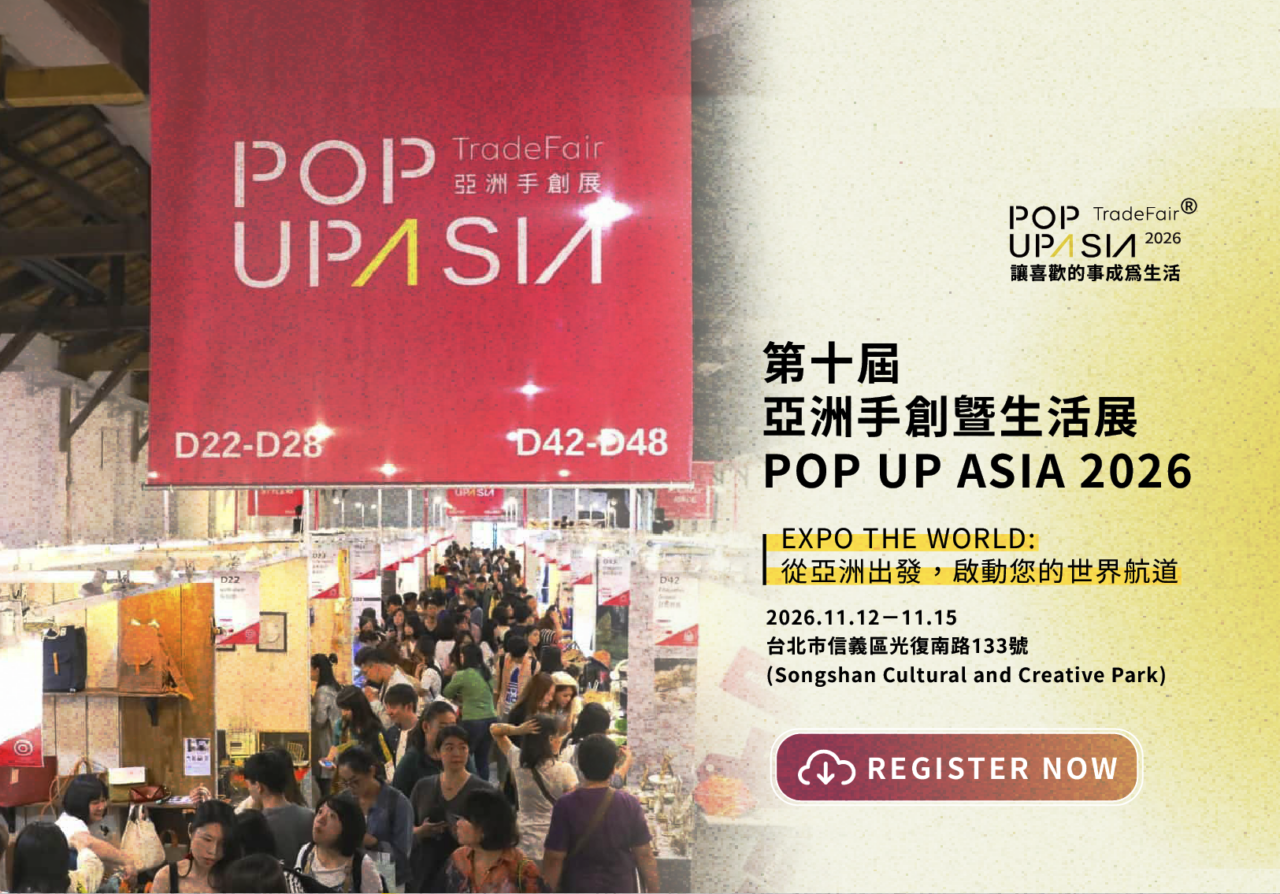
• Sign up for the B2B matchmaking event
• Register for Handicraft Connect and enter the buyer matching system
Because creative brands deserve more than temporary exposure.
They deserve long-term opportunities that help their work keep growing.
Want More Brand Stories?
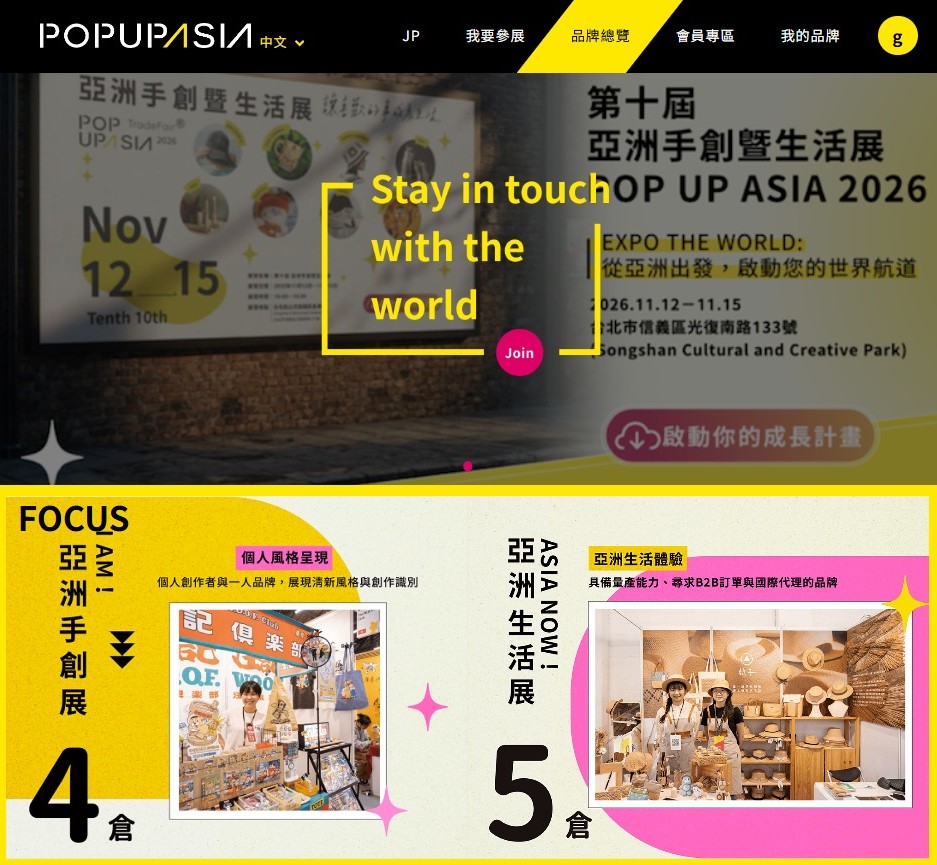
Join POPPASS—our B2B platform connecting you with authentic, creative brands from across Asia. Explore exhibitor profiles, start collaborations, and be part of the POPUPASIA® network.
Join POPPASS ➜ Tutorial on how to register