
A handmade product can be beautifully made and still get lost. At an exhibition, visitors may glance at a crowded booth and walk away because they do not know where to begin. In a concept store, the same product may sit on a shelf without anyone understanding its materials, story, or value.
The problem is not always the product. More often, it is how the brand prepares, communicates, and chooses where to be seen. The goal is not simply to appear in more places, but rather to help the right customers understand why the product matters.
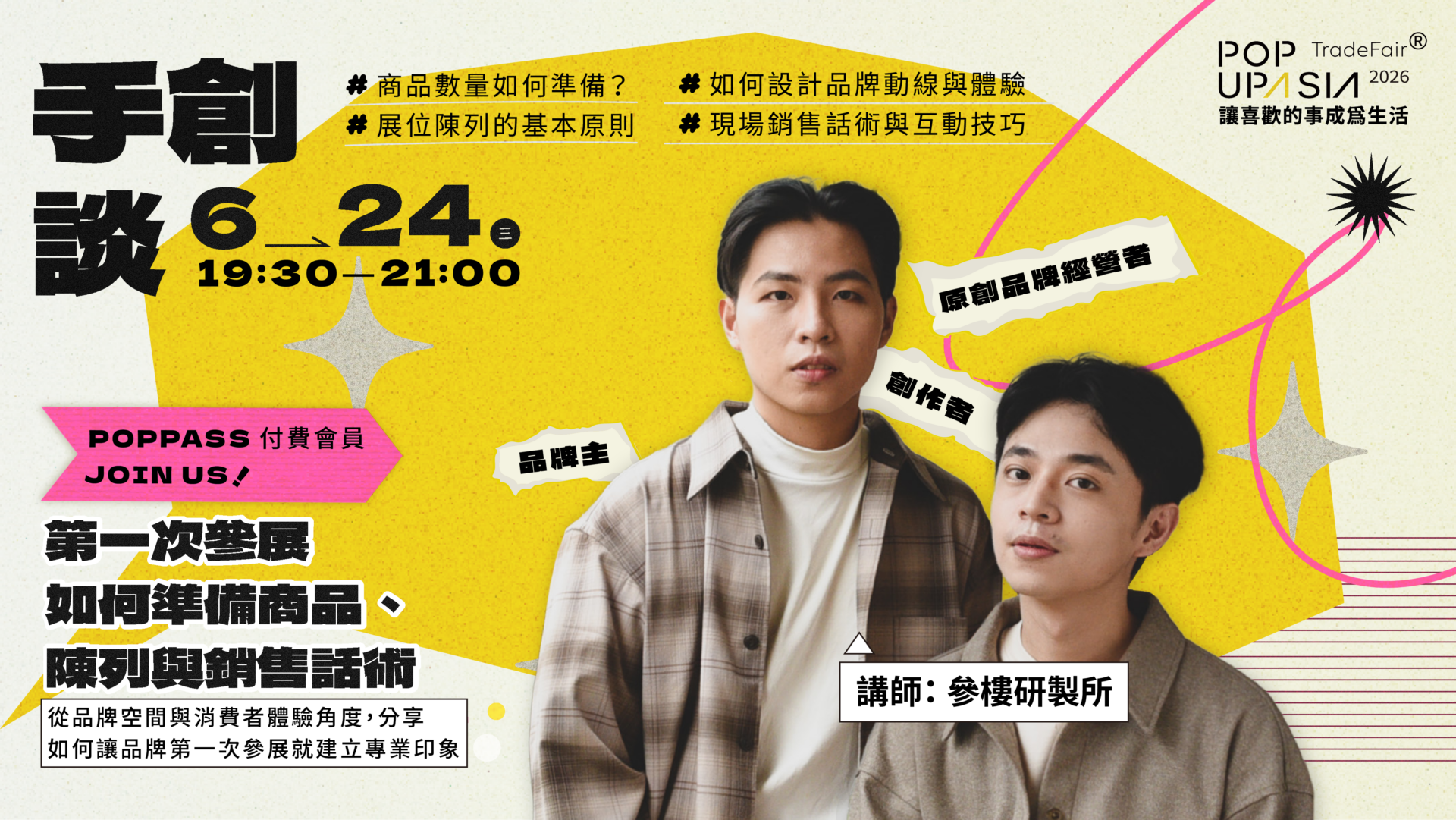
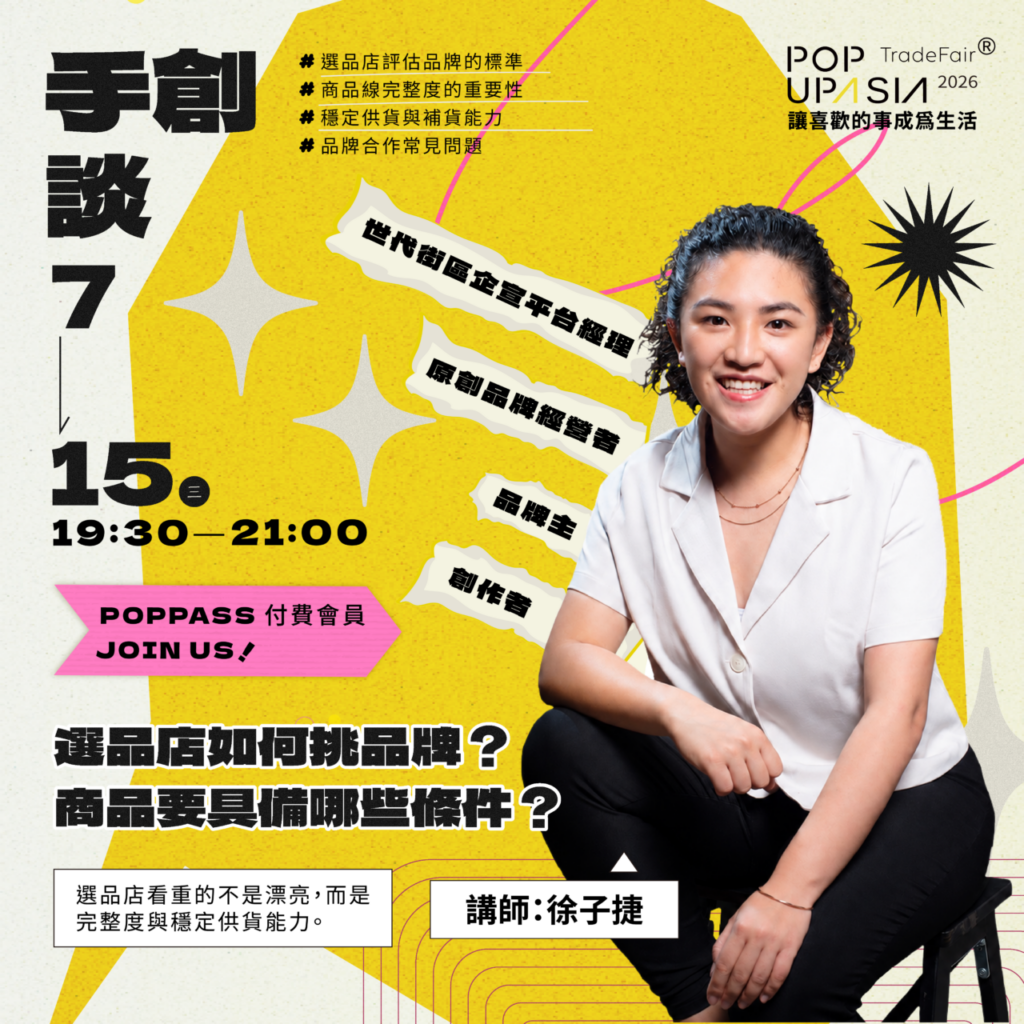
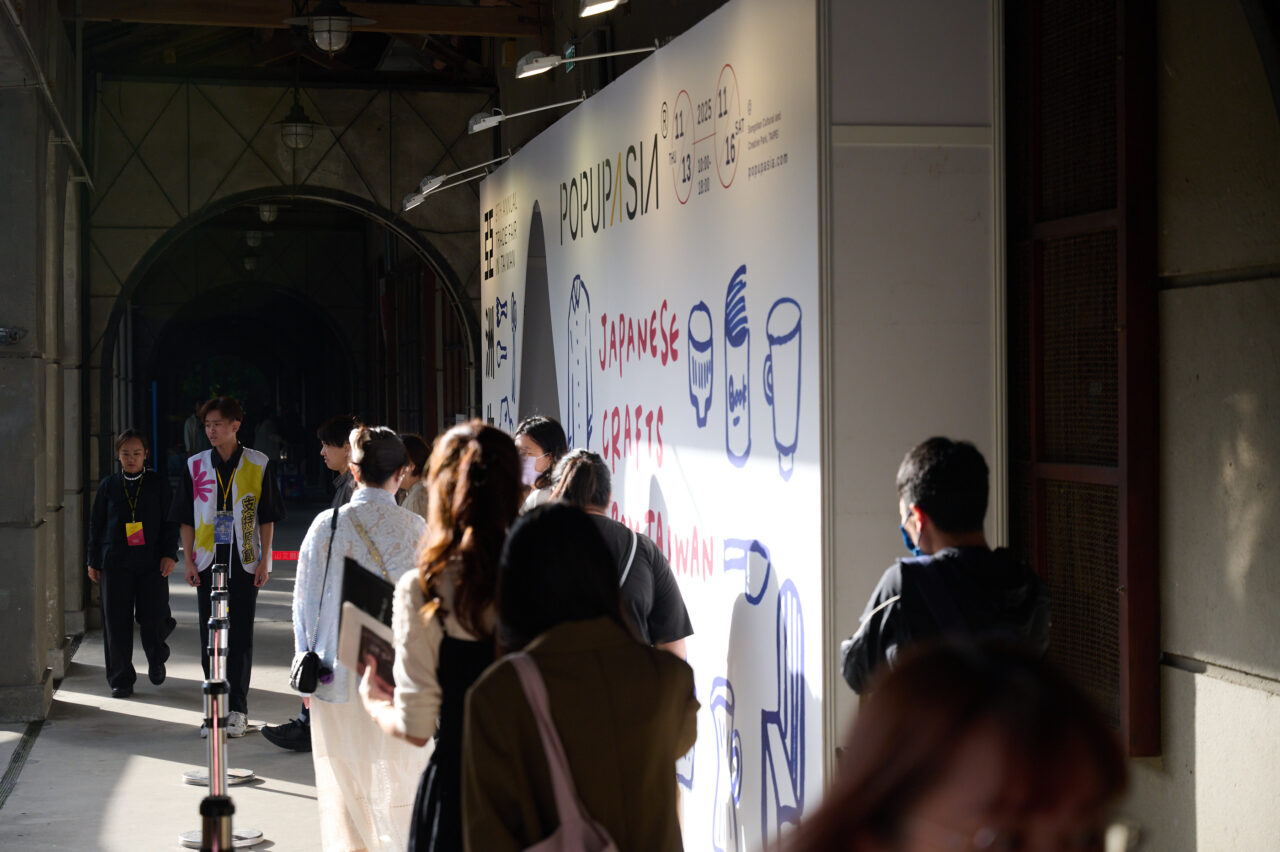
Two POPUPASIA® Handcraft Talk sessions approached this challenge from different stages of a brand’s journey. The June 24 session focused on preparing products, displays, and customer interactions for a first exhibition. The July 15 session explored how handmade brands can find retail channels that support long-term growth.
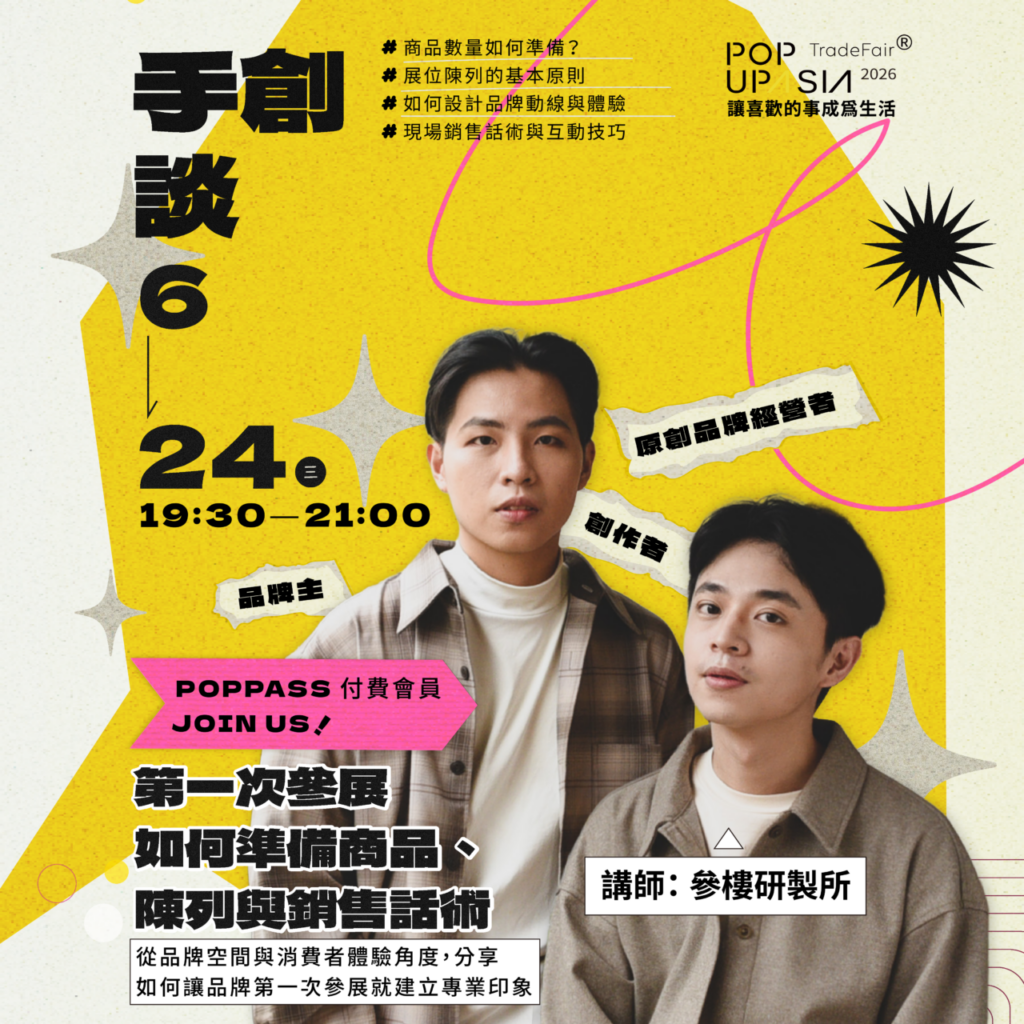
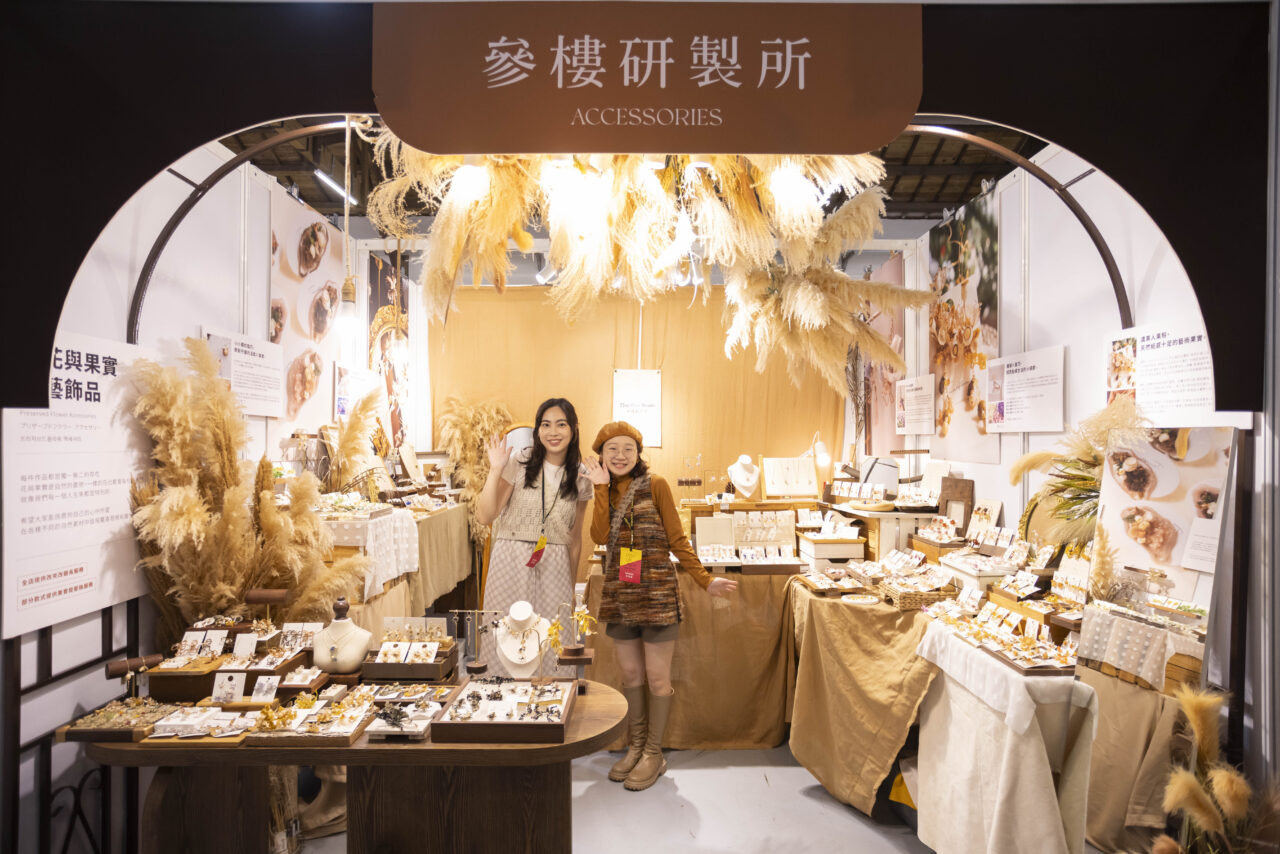
June 24: Preparing for Your First Exhibition with 參樓研製所
Start with your purpose, not your stock quantity
One of the most common questions before a craft exhibition is:
“How many products should I prepare?“
The June 24 session suggested starting with a more important question:
“What does the brand want to achieve at this exhibition?“
For some brands, the main goal may be direct sales. For others, the exhibition may offer opportunities to introduce the brand, meet potential partners, test customer responses or build recognition. That goal affects everything that follows, from product selection and booth layout to how the team speaks with visitors.
It is not about producing as many items as possible. It is about preparing a product mix in which each item has a clear role.
More accessible products can help new customers experience the brand with less hesitation. Core products can communicate the brand’s main style and craftsmanship. A smaller number of premium pieces may attract attention, start conversations and show what the brand can achieve at its highest level.
There is no single formula that suits every handmade brand. A jewelry brand, a ceramics studio and a textile designer will naturally prepare differently. What matters is understanding the function of each product rather than bringing inventory without a plan.
A booth should tell a story, not simply look beautiful
A visually attractive booth may catch someone’s eye, but beauty alone does not always help people understand what they are looking at.
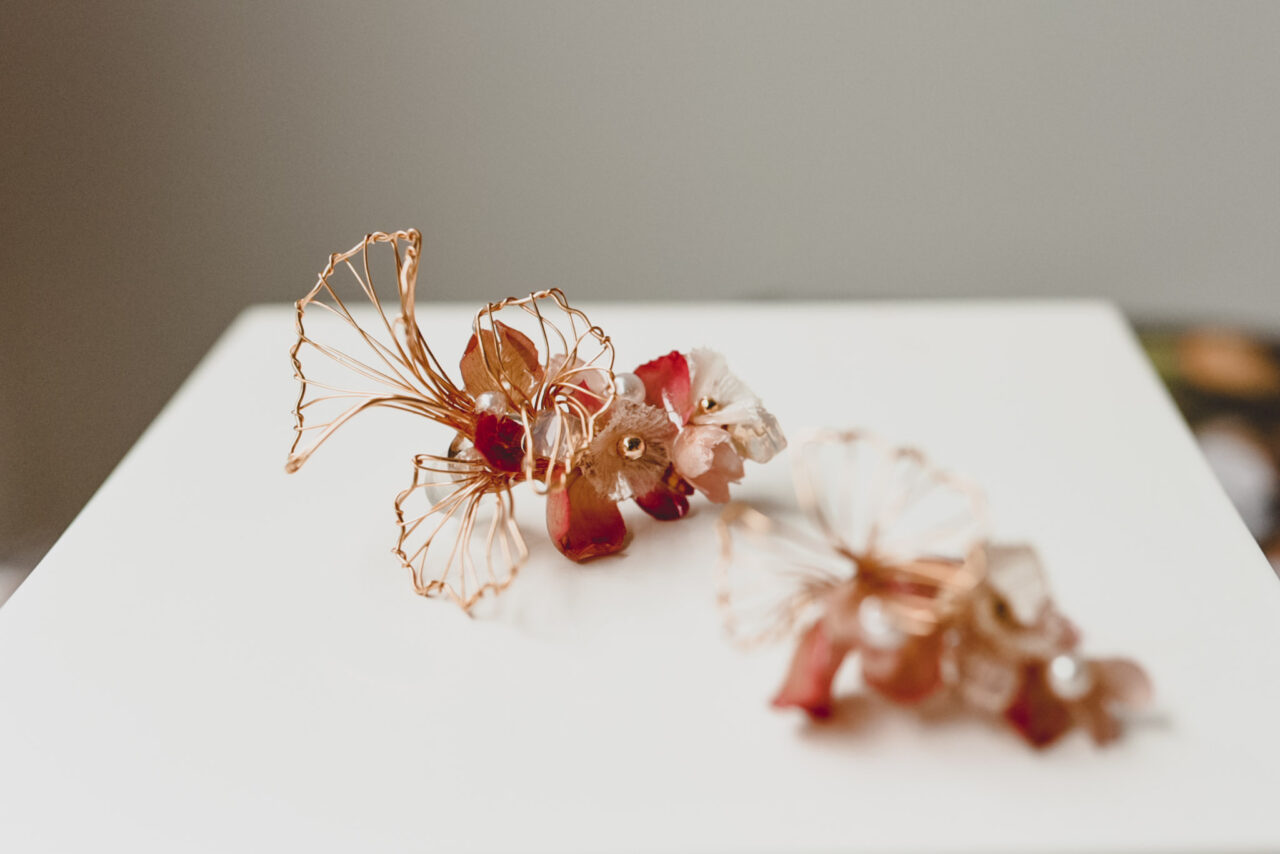
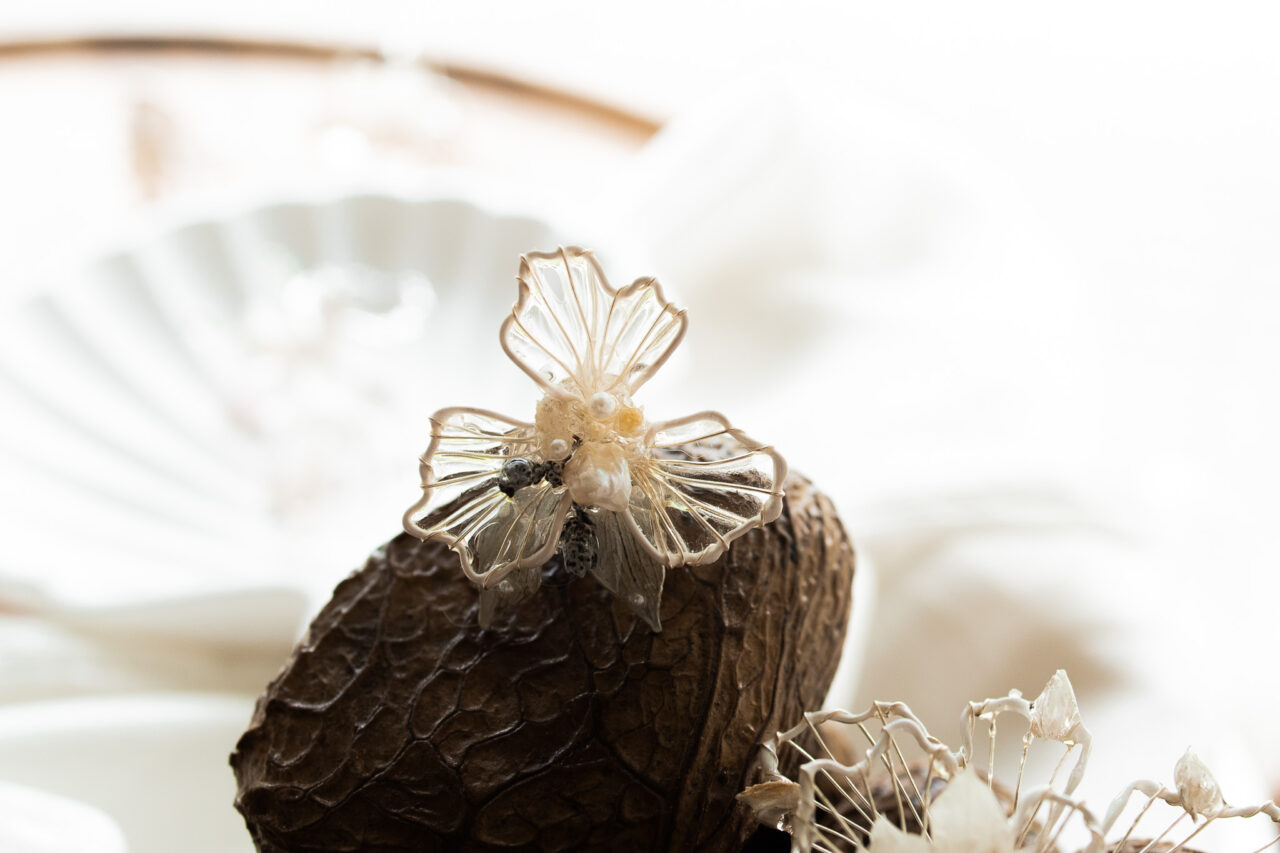
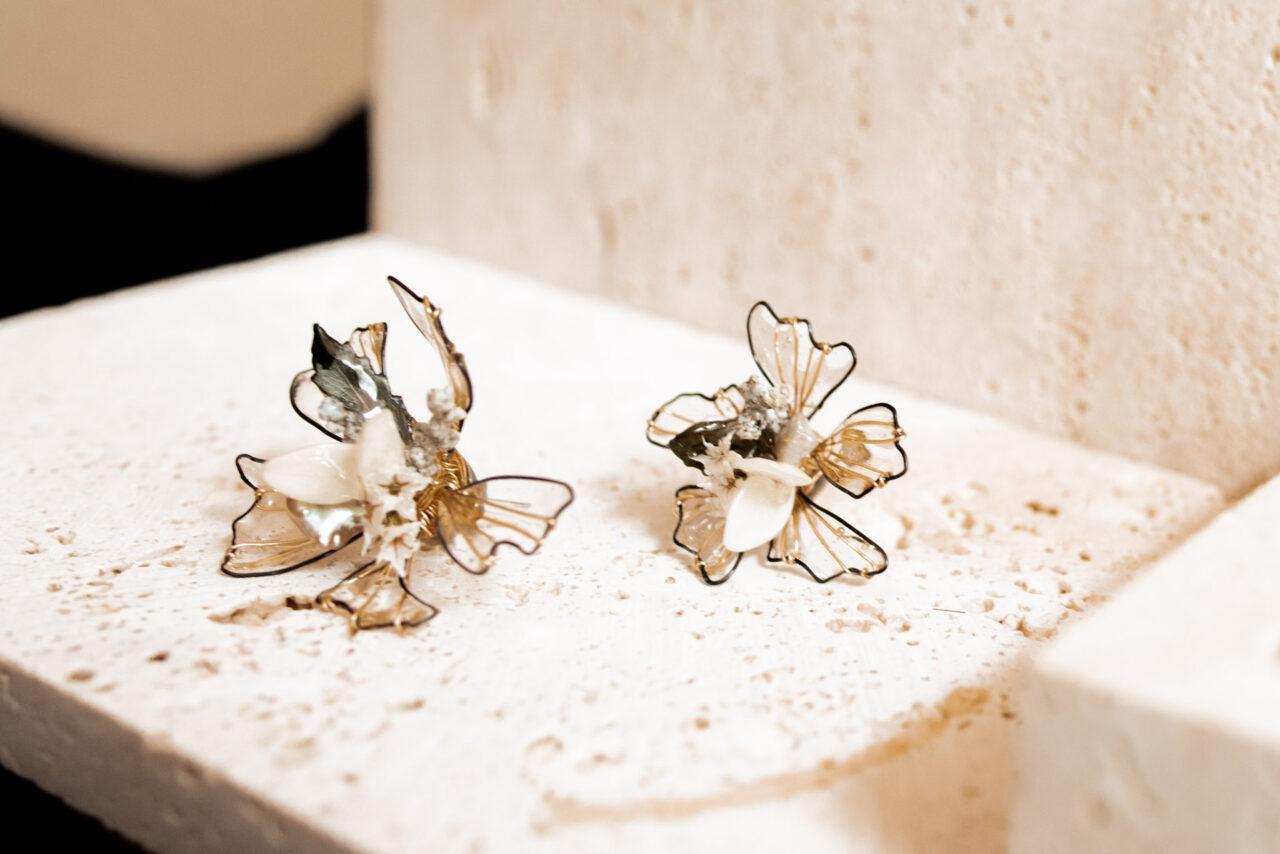
The session presented the exhibition booth as a space that supports conversation. Its layout should make it easier for visitors to notice the brand’s special materials, techniques and creative process. A booth can show raw materials, experiments, production details or other elements that help customers see what makes the work different.
This is especially important for products that cannot be understood immediately. Visitors may need to touch a material, try on a piece, compare different options or hear a short explanation before they connect with it.
The booth experience should therefore guide people through a natural journey:
first attracting their attention, then inviting them to explore, understand and participate. Instead of adding interaction simply because it looks entertaining, brands can identify what is genuinely special about their work and give visitors a way to experience it.
Good sales conversations do not feel like sales pressure
Many creators feel uncomfortable approaching visitors because they do not want to sound aggressive. Yet waiting silently for customers to understand everything by themselves may also mean losing valuable opportunities.
The answer is not to push harder, but rather to create a comfortable reason to begin talking.
A visitor who starts touching, trying or comparing products has already shown curiosity. At that moment, a short explanation or helpful suggestion can feel natural rather than intrusive. Displays, product trays, material samples and simple experiences can also make it easier for creators or temporary staff to begin a conversation.
Most importantly, an exhibition result is not limited to what happens at the cashier. A meaningful conversation, a new contact or a future collaboration can also become a valuable outcome.
Someone who does not purchase today may return later as a customer, retailer or business partner.
July 15: Finding the Right Retail Channel with Sedai Zone
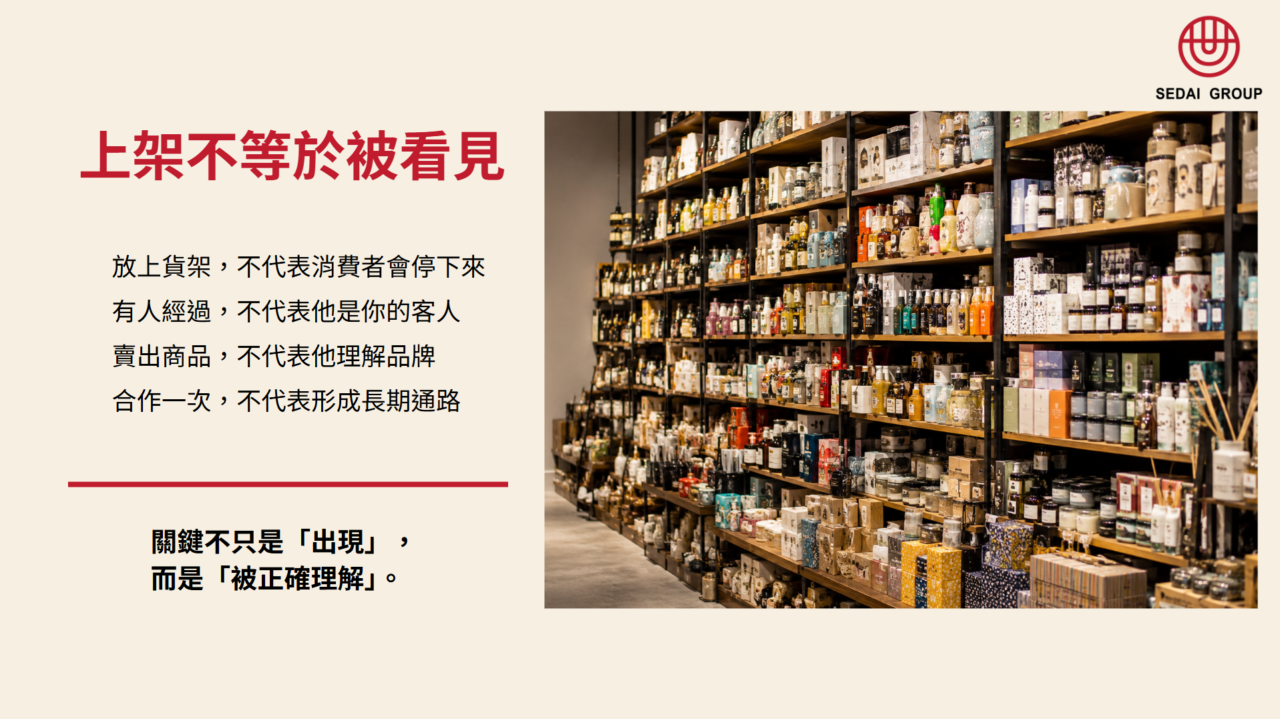
Being stocked is not the same as being seen
After an exhibition, many brands begin asking where they can place their products.
However, the July 15 session introduced a different starting point:
A brand should not first ask where its products can be stocked.
It should first understand what kind of retail channel will allow the brand to be properly seen.
Getting onto a shelf does not guarantee that customers will stop. A sale does not necessarily mean that the customer understands the brand, and one collaboration does not automatically become a long-term retail relationship. The key is not merely to appear, but to be understood correctly.
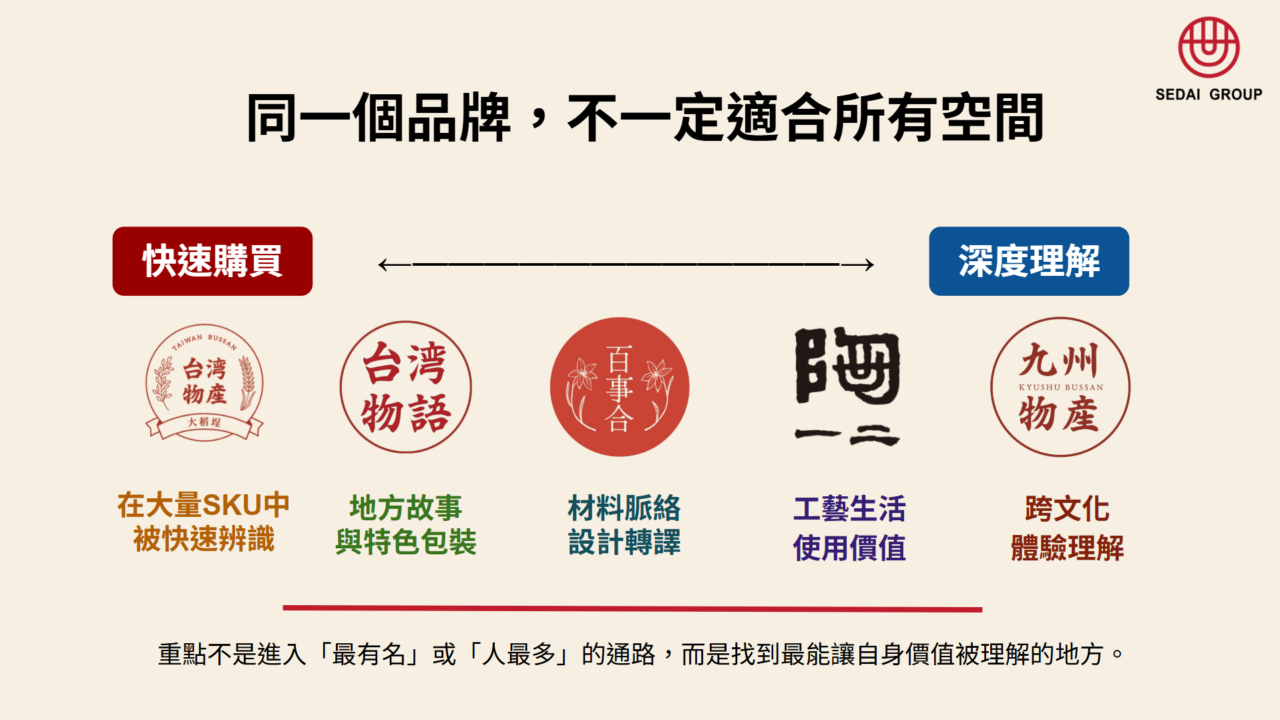
The most famous channel may not be the most suitable one
Different products require different amounts of time and different environments to communicate their value.
Some products can be recognized quickly among many items. Others need customers to learn about the materials, hear the maker’s story, try the product or join an activity. The most suitable channel depends on how the product needs to be experienced.
Before approaching a retailer, brands can ask:
How long does someone need to understand the product? Do customers need to touch, taste, try or hear its story? In what situation are they most likely to buy it? Is the brand currently seeking sales, exposure, market testing or long-term brand value?
These questions help a brand look beyond visitor numbers or store popularity.
There is no universally “best” retail channel—only the channel that fits the brand’s current stage and helps customers understand its value.
Concept stores choose partners, not only products
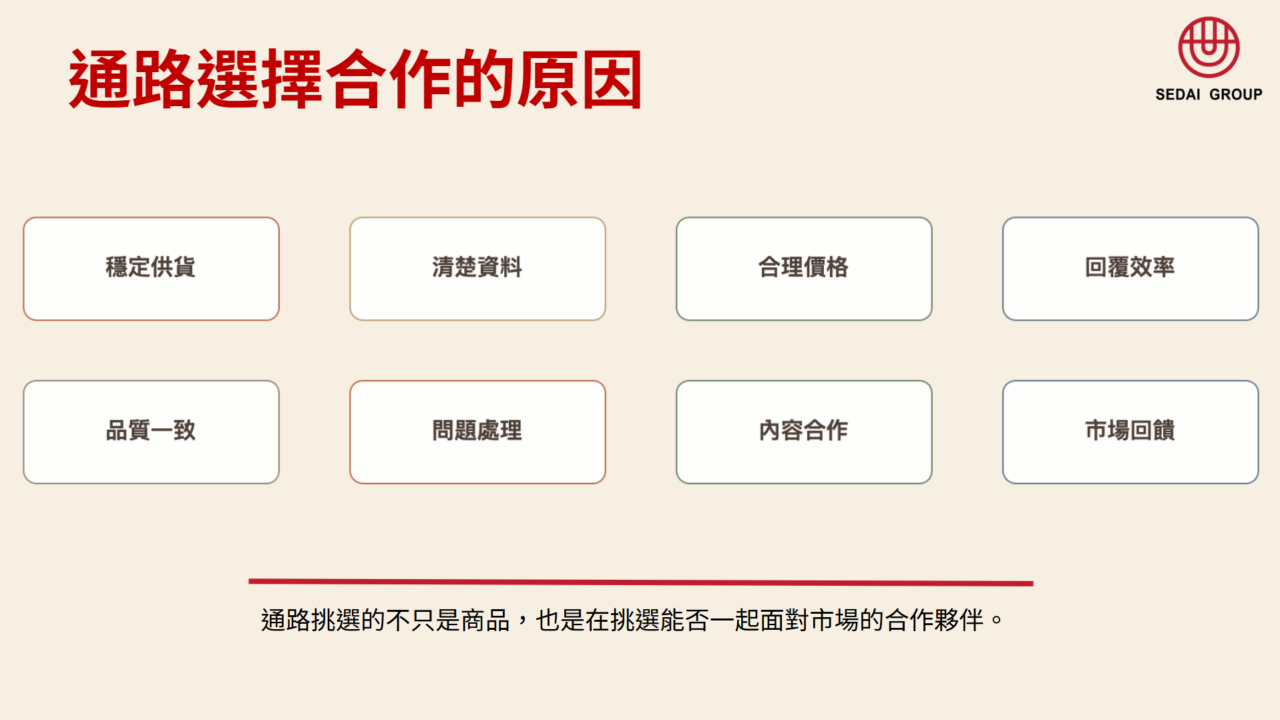
A concept store or curated retailer does not evaluate a product only by whether it looks attractive.
Retail cooperation also involves practical questions:
Can the brand supply products consistently? Are the prices and product information clear? Is the quality reliable? Can the brand respond efficiently when the retailer needs support or when a problem occurs?
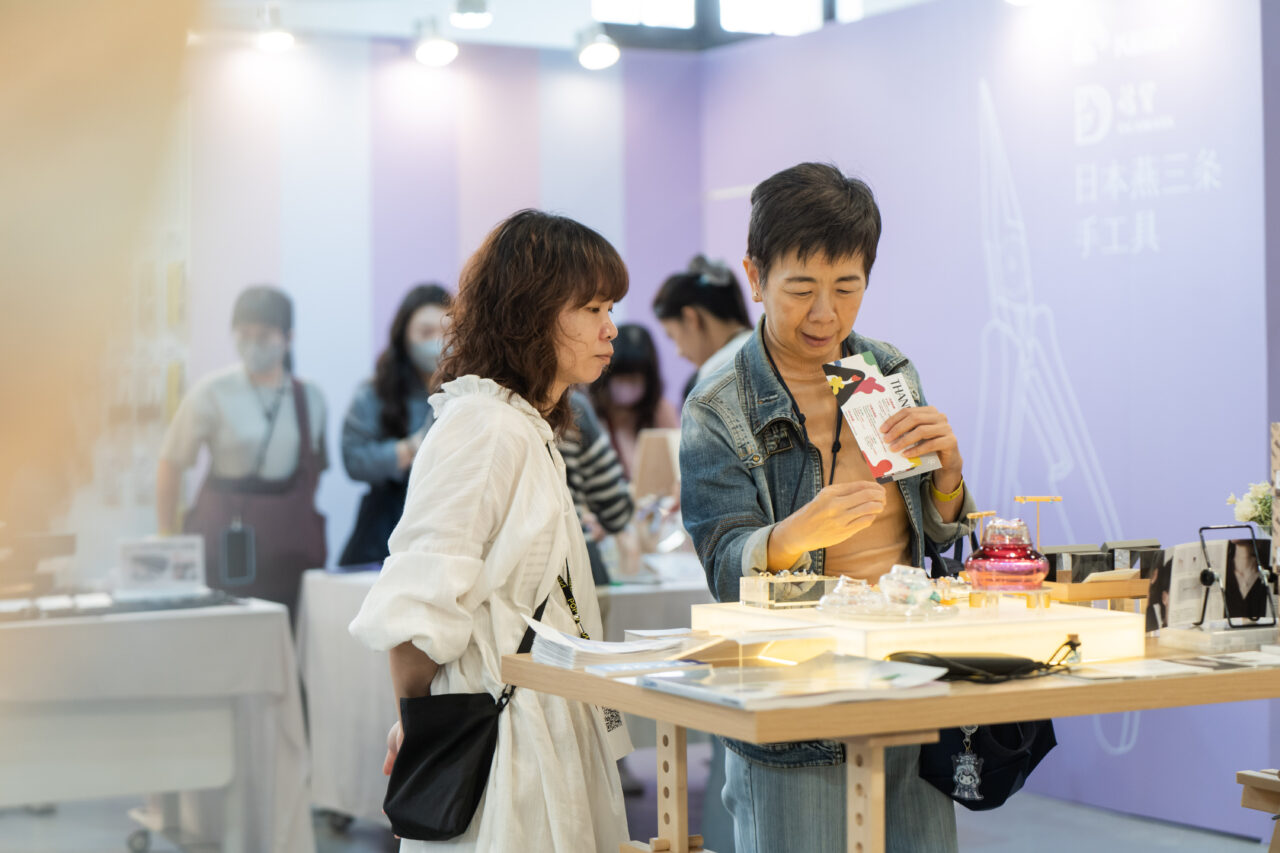
In other words, the retailer is not simply selecting an object for its shelf.
It is deciding whether the brand can become a partner that faces the market together with the store.
Brands should also think about what happens after the first purchase. Customers need a clear way to remember the brand, find its social media or website, repurchase and recommend it to others. A transaction may end at the counter, but a long-term brand relationship begins when customers can find the brand again.
From a First Exhibition to Long-Term Brand Growth
The two Handcraft Talk sessions addressed separate topics,
but they revealed two connected stages of brand development.
The June session showed how creators can prepare for the first meeting between their brand and the public. The July session looked at what comes next: finding a retail environment where that initial interest can grow into trust, repeat purchases and lasting cooperation.
An exhibition is not simply a table filled with products.
A retail channel is not simply another shelf.
Both are spaces where a brand must translate its value into something customers can notice,
understand and remember.
⤷ Join POPPASS and
Grow Your Brand With Real Business Knowledge !
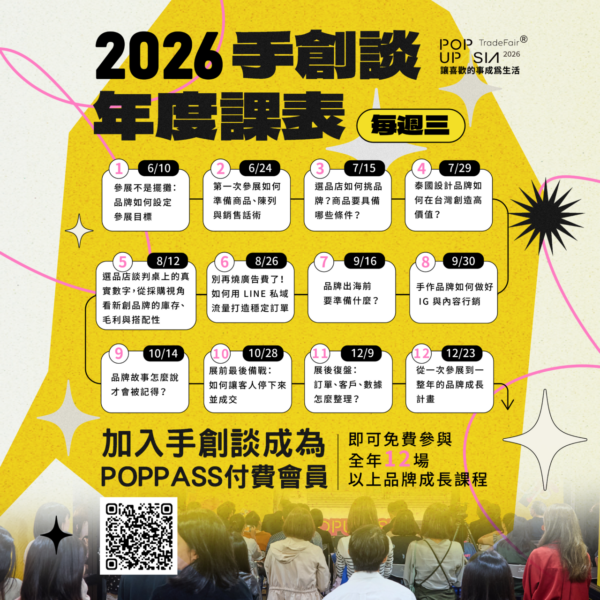
click here to see the full schedule of the Handmade Talk
If you are a handmade creator, independent brand owner, lifestyle product designer, or small business preparing for exhibitions and overseas opportunities, Handmade Talk is designed for you.
This is not about learning business from far away. It is about standing closer to the market, understanding how decisions are made, and preparing your brand for the next opportunity.
Join POPPASS for NT$1,000/year and access 12+ practical brand growth sessions throughout 2026.
A single session is priced at NT$500, but we warmly invite you to become a POPPASS member.
With an annual membership of only NT$1,000, you can join more than 12 online Handcraft Talk sessions throughout the year and continue learning practical brand management
and business skills in a more cost-effective way.
Google Meet links will be sent to members by email before each session.
For questions, please contact:
advertise@campobag.com
Want More Brand Stories?
Join POPPASS—our B2B platform connecting you with authentic, creative brands from across Asia. Explore exhibitor profiles, start collaborations, and be part of the POPUPASIA® network.
Join POPPASS ➜ Tutorial on how to register