
Many small brands spend a great deal of time writing a beautiful brand story, yet still struggle to appear in Google results or AI-generated recommendations. The problem is often not the quality of the writing.
It is that search engines cannot clearly understand what the brand sells,
who the products are for, or what makes them different.
A searchable brand introduction does not mean removing creativity or personality.
It means giving customers, buyers, Google, and AI enough clear information to recognize the brand.
It is not about turning a meaningful story into a list of keywords,
but rather about connecting that story to real products, materials, styles, and customer needs.
1. State Your Product Category Clearly ✶⋆.˚
Consider this sentence:
We turn small moments and memories into objects that bring warmth to everyday life.
It sounds beautiful, but it does not explain the product.
Is the brand selling jewelry, ceramics, stationery, clothing, or home decorations?
Customers usually search using specific terms, such as:
- Handmade jewelry from Taiwan
- Minimalist ceramic tableware
- Sustainable fabric bags
- Illustrated stationery brands
A brand introduction can still communicate emotion,
but it should first help readers understand what the brand actually sells.
Instead of writing only:
We create meaningful objects inspired by everyday memories.
Write:
We are a Taiwanese stationery brand creating illustrated notebooks, greeting cards, and paper gifts inspired by everyday memories.
The second version keeps the brand’s personality while making the product category immediately clear.
2. Mention Specific Products, Materials, and Techniques ݁₊ ⊹ .
General descriptions such as “lifestyle products,” “creative goods,” or “handmade objects” can be too broad.
A clear introduction should mention:
- Brand name
- Product category
- Main products
- Materials or techniques
- Design style
- Target customers
- Brand origin
For example:
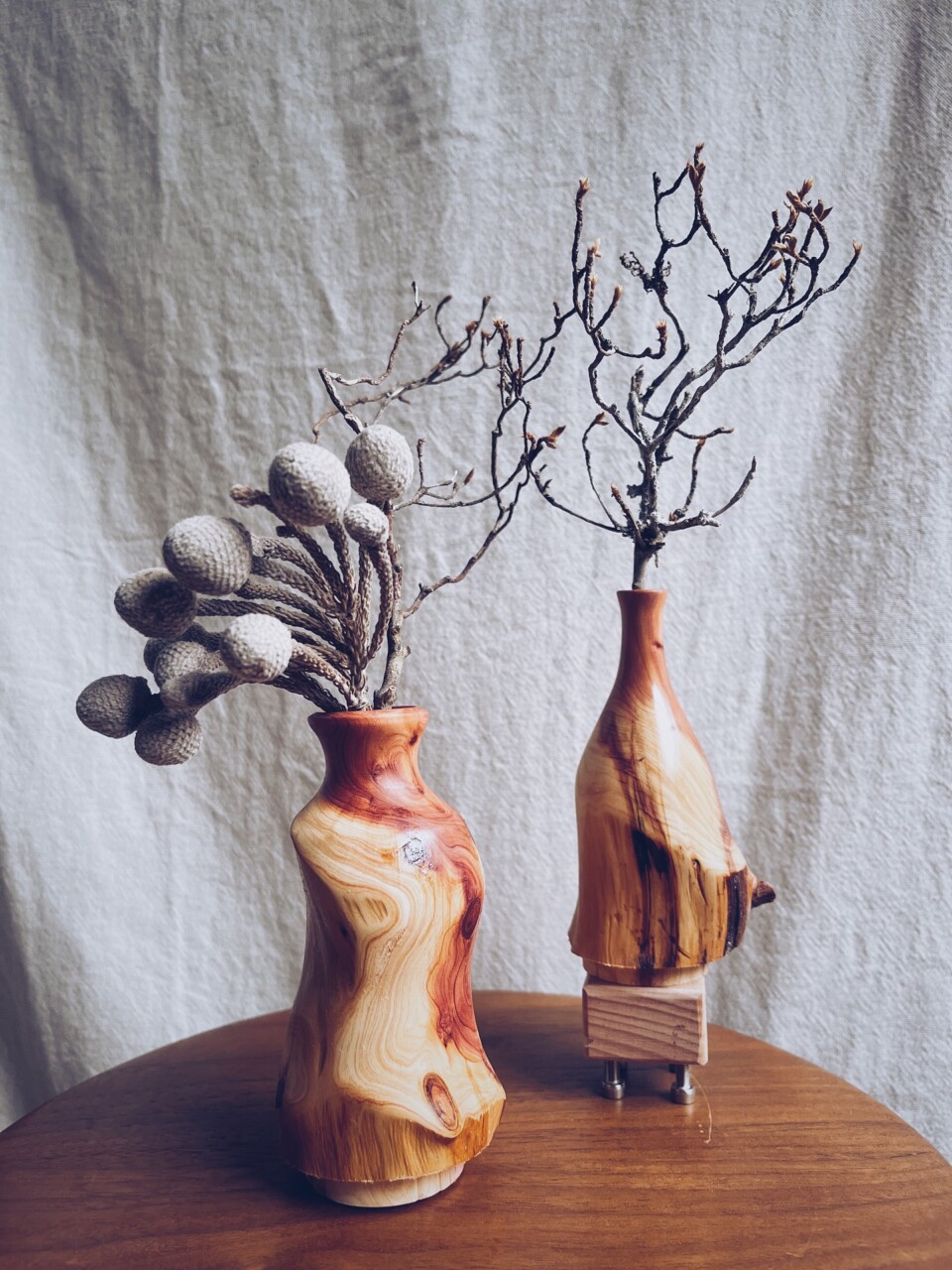
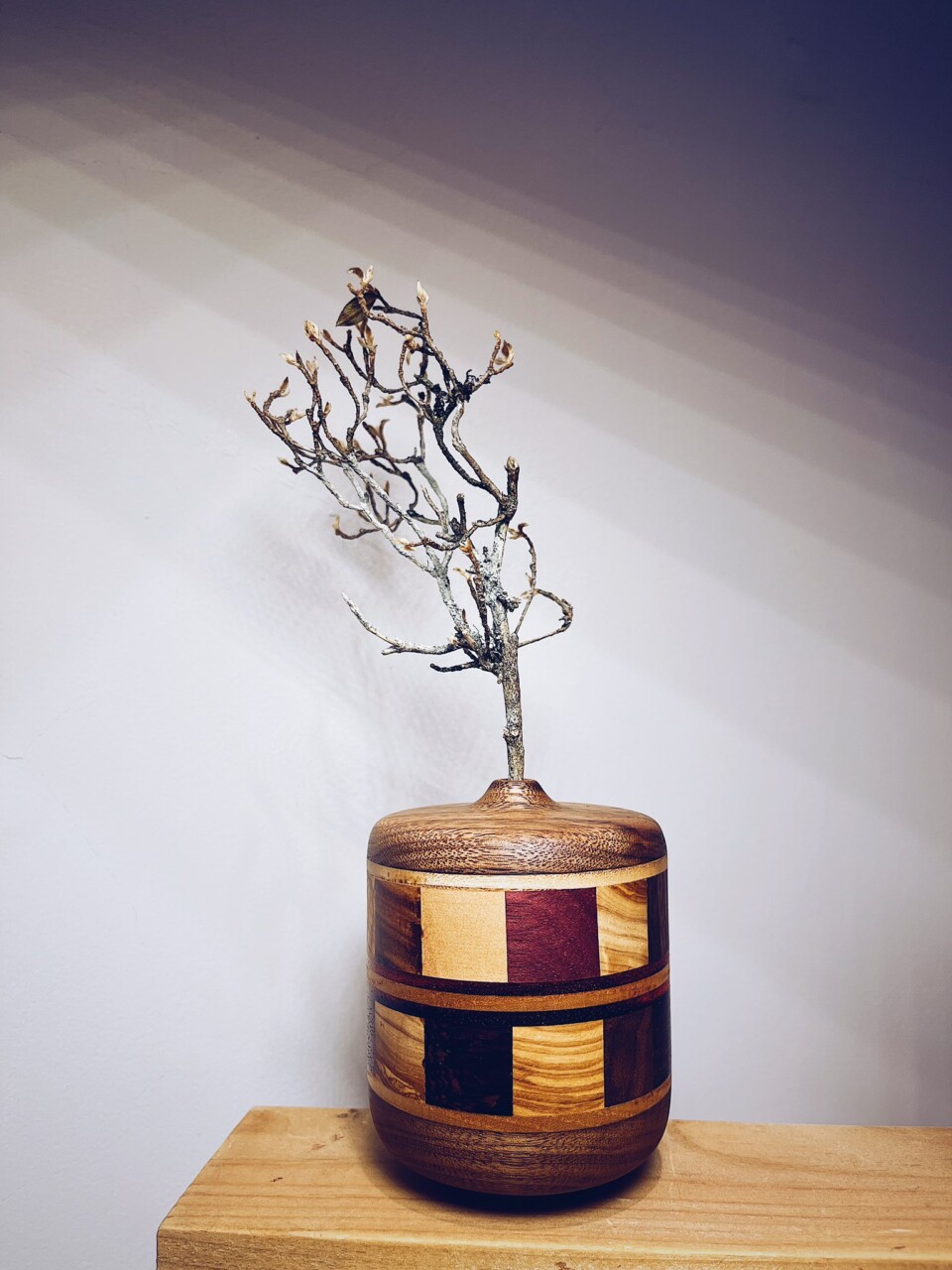
Ji Wood Work 桔物手作 is a Taiwanese handmade woodcraft brand creating wooden pens, trays, bowls, vases, and everyday accessories.

Using solid wood and natural materials, each piece highlights the unique grain, color, and warmth of the wood. Designed for people who appreciate long-lasting, customizable, and meaningful everyday items, the brand brings craftsmanship and quiet beauty into daily life.
This introduction tells readers what the brand makes, where it comes from,
which materials it uses, and why its products are different.

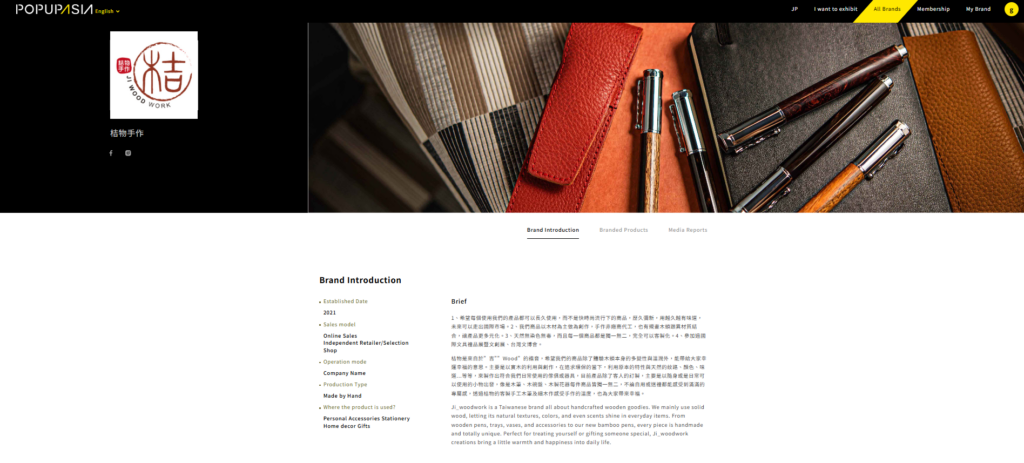
See Ji Wood Work 桔物手作 as an example
3. Use a Simple Brand Introduction Formula ―୨୧⋆ ˚
Brands do not need to start every introduction from a blank page.
Use this formula as a starting point:
|Brand name| is a |brand origin| |product category| brand creating |two or three specific products| using |main material or technique|. Known for |design style or main difference|, the brand creates products for |target customer, purpose, or customer need|.
For example:
Thirdfloor 參樓研製所 is a Taiwanese handcrafted accessory brand creating jewelry and decorative pieces using dried flowers, seeds, metalwork, and handwoven wire structures.

Known for transforming flowers, leaves, coral reefs, and insects into wearable designs, the brand creates contemporary gifts and accessories for people who appreciate nature-inspired craftsmanship.
For a shorter introduction, use:
|Brand name| creates |product category| using |material or technique|,
designed for |target customer or purpose|.
For example:
Thirdfloor 參樓研製所 creates nature-inspired handcrafted accessories using dried flowers, seeds, metalwork, and handwoven wire.

The formula should guide the writing, not make every brand sound the same. Once the essential information is clear, the brand can add more personality, emotion, and storytelling.

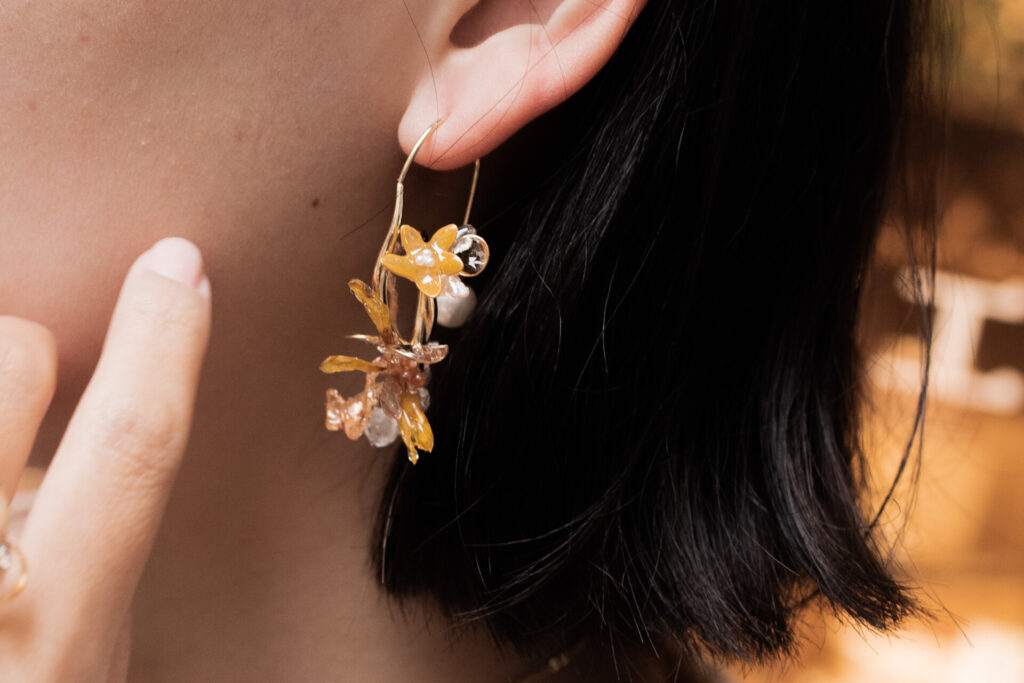
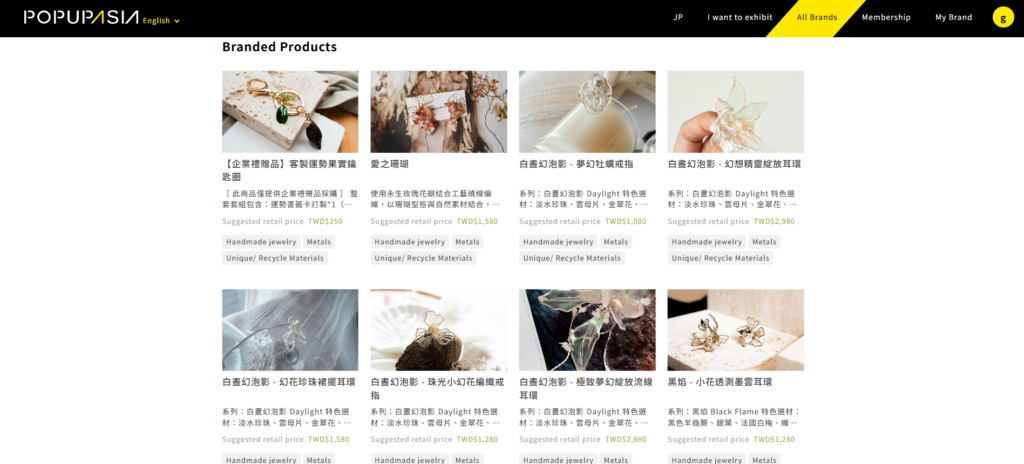
See Thirdfloor 參樓研製所 as an example
4. How Can Brands Use Keywords Naturally? ˖᯽ ݁˖
Keywords should help people understand the brand, not make the description sound repetitive or unnatural.
Avoid:
We sell handmade wool felt products, sustainable wool felt decorations, wool felt storage baskets, wool felt animals, and eco-friendly handmade gifts.
This sounds like a list of search terms rather than a genuine brand introduction.
Use:
Little Matter 重要的小事 is a Taiwanese design brand creating handmade wool felt home accessories, storage baskets, animal figures, and gifts.

Designed in Taiwan and handcrafted by women artisans in Nepal, its products use renewable and biodegradable wool to bring sustainability, playful design, and everyday function together.
This description naturally introduces the brand’s main products, materials, origin, production process, and values without reading like a list of search terms.
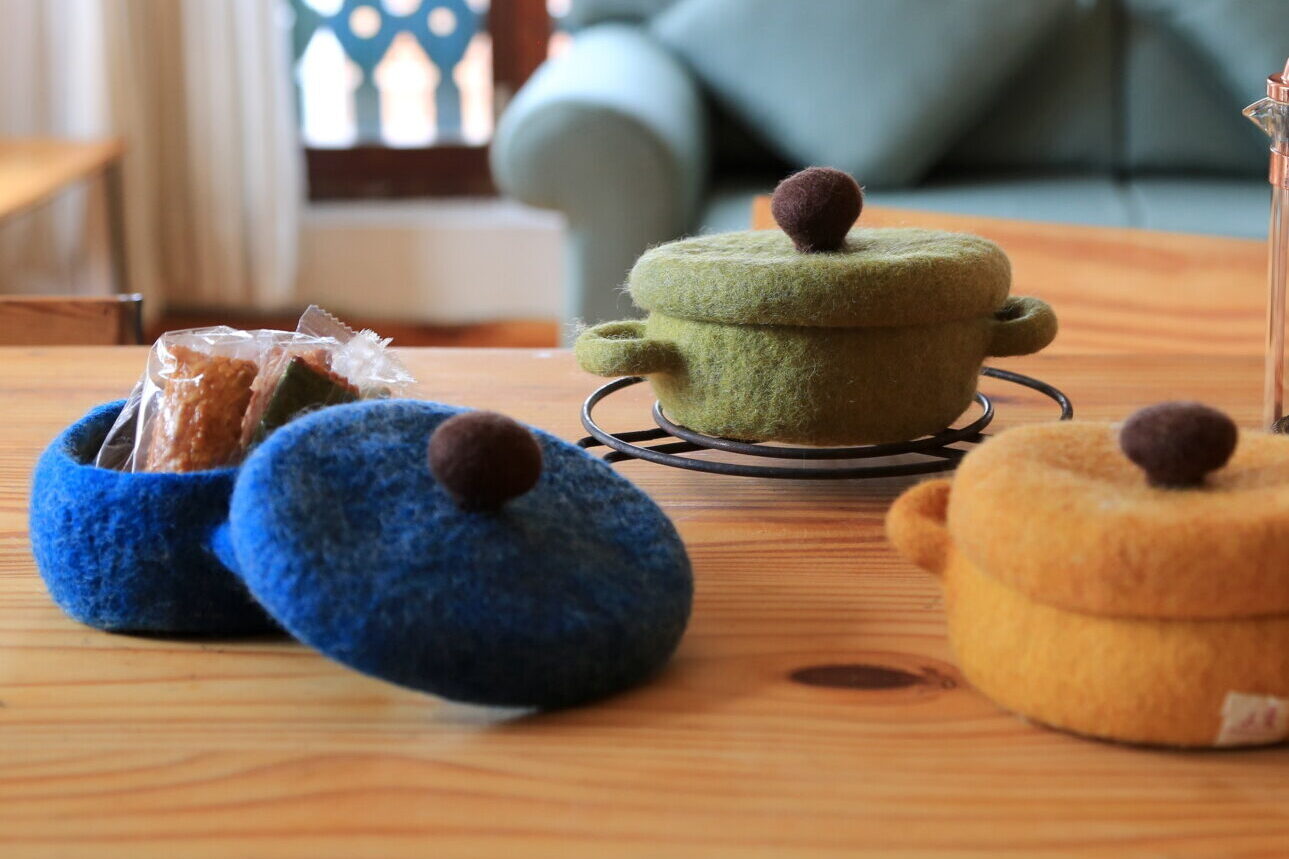
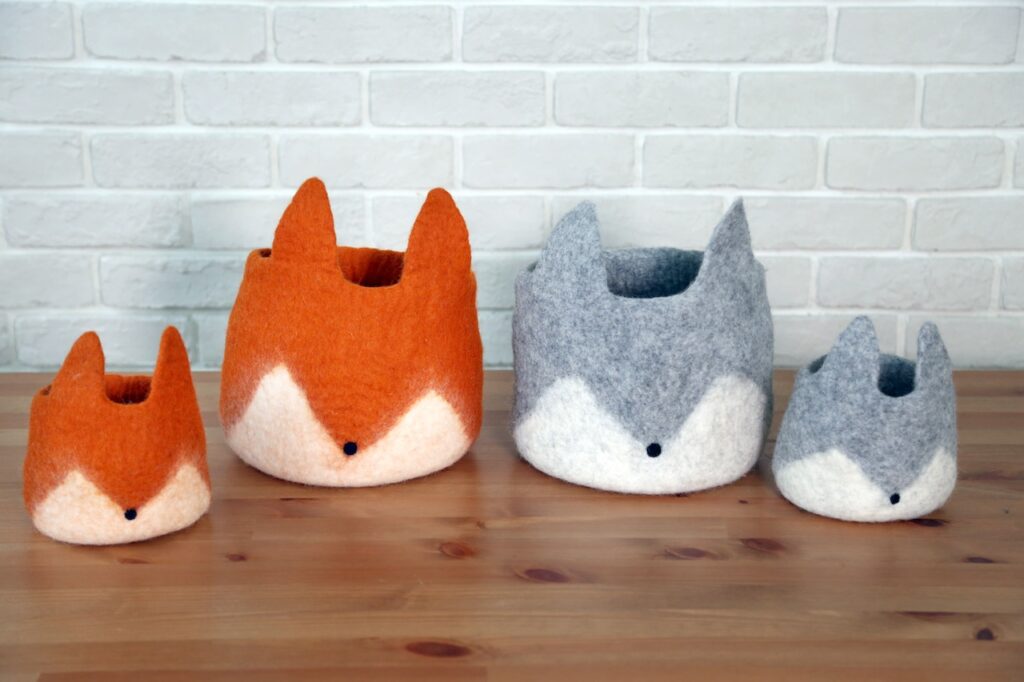
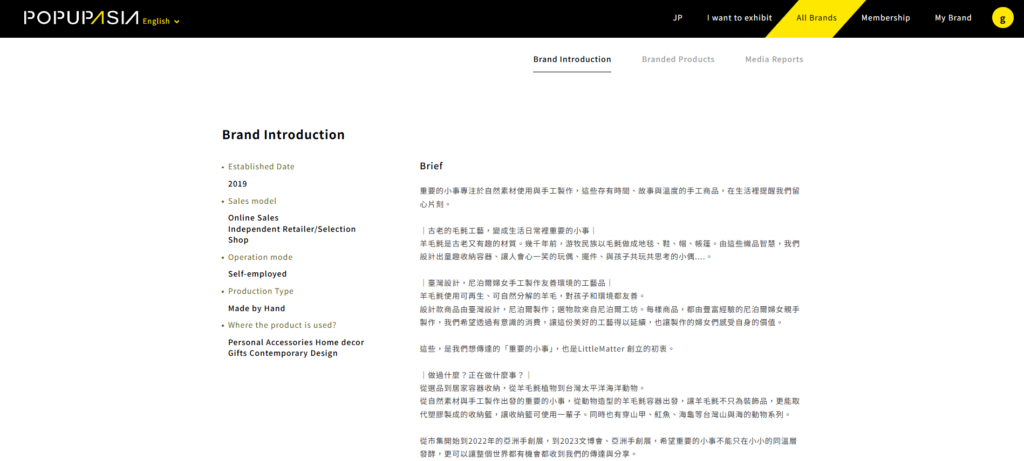
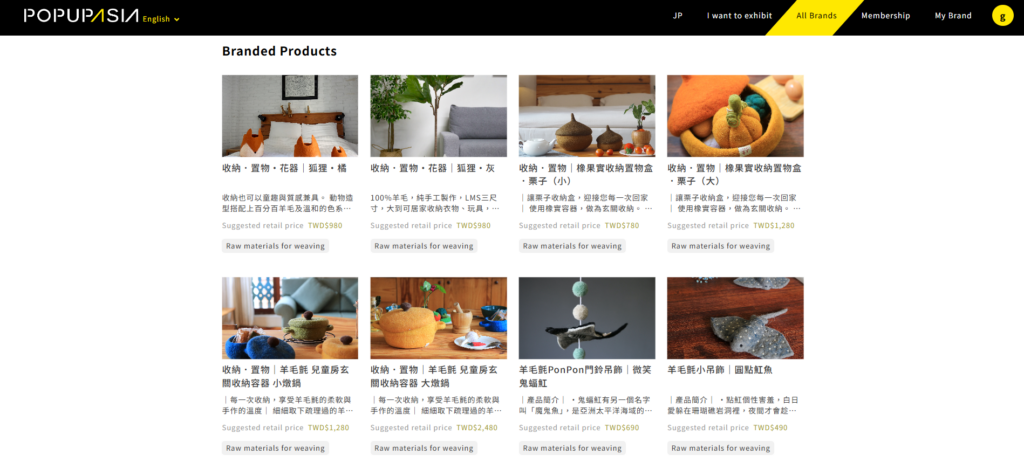
Handmade wool felt products by Little Matter 重要的小事,
combining Taiwanese design with the craftsmanship of women artisans in Nepal.
A simple keyword method is to include:
- One main product category
- Two or three specific products
- One important material or technique
- One design style
- One customer need or use case
Useful keyword phrases for this brand may include:
- Eco-friendly gifts
- Handmade wool felt products
- Sustainable home accessories
- Taiwanese design brand
Do not force the same keyword into every sentence. Use clear language that real customers would naturally use when searching for the product.
See Little Matter重要的小事 as an example
5. Make the Introduction Easy for AI Search to Understand ٠࣪⭑
Customers may now discover brands through AI-powered search by asking questions such as:
- What are some Taiwanese handmade jewelry brands?
- Where can I find sustainable home accessories from Asia?
- Which brands create customizable wooden gifts?
To help AI tools understand the brand, the introduction should clearly explain:
- What the brand sells
- Where it comes from
- Its main materials or techniques
- Who the products are for
- What makes the brand different
For example, avoid describing the same brand as a “creative lifestyle studio” on one platform, an “accessory brand” on another, and an “art project” somewhere else without explaining how these descriptions are connected.
Use the same official brand name, product category, origin, and main product terms across different platforms.
A clear brand introduction does not guarantee that a brand will rank higher or appear in every AI-generated recommendation. However, it gives customers, search engines, buyers, and AI tools clearer information about what the brand genuinely offers.
6. Use Brand Photos as Part of the Story 𓏲 ๋࣭ ࣪ ˖
Photos should not only decorate the article.
They should help explain the product and promote the featured brand.
Useful images include:
- A clear product photo
- A close-up of materials or craftsmanship
- A lifestyle photo showing how the product is used
- A creator or studio photo
For example, a jewelry brand like Modigliani can use close-up images to highlight its materials, surface details, and design style.
Modigliani is an independent jewelry brand founded in Taipei in 2006.

Known for its handcrafted brass jewelry, the brand combines vintage-inspired European details with pearls, zircon stones, and a refined feminine style. Its pieces are designed for women who appreciate artistic, timeless, and quietly luxurious accessories.

A close-up photo can highlight the natural color of the brass, finishing details, pearls, and zircon stones. A lifestyle image can help readers imagine how the jewelry looks when worn and how it fits into everyday styling.
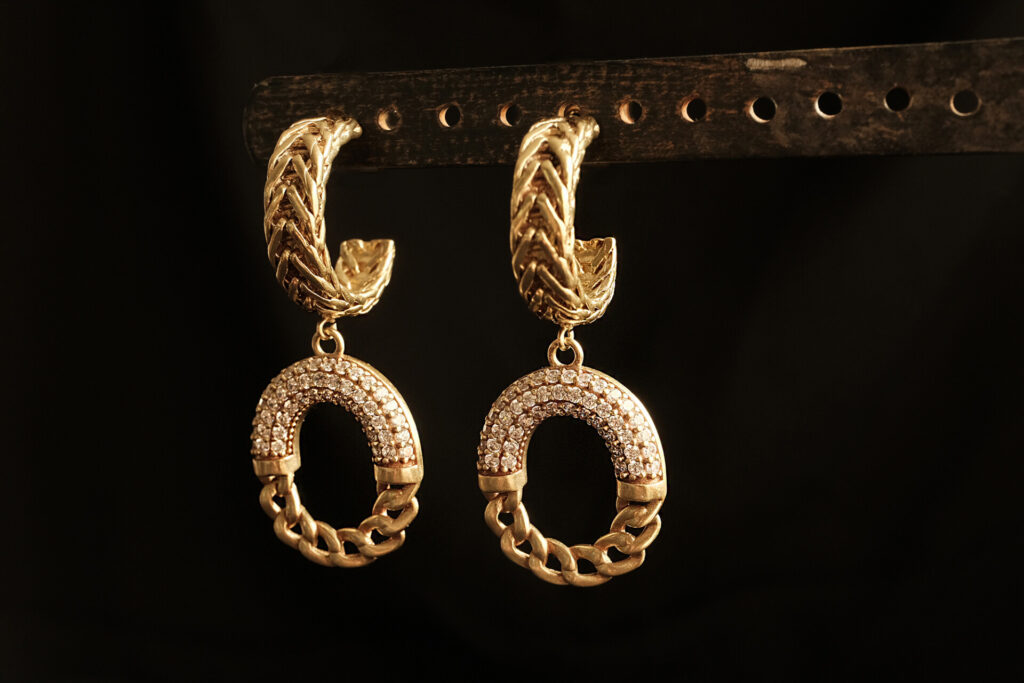
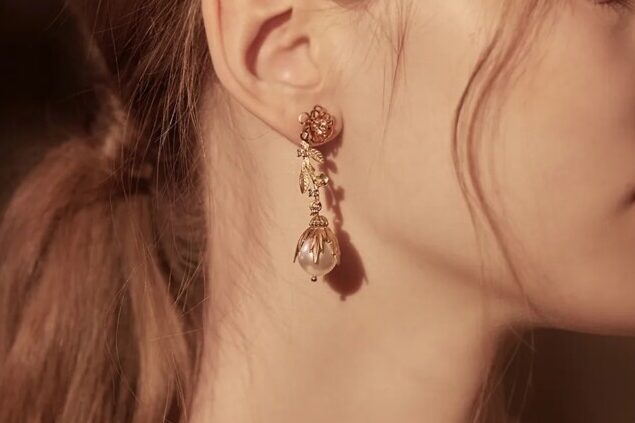
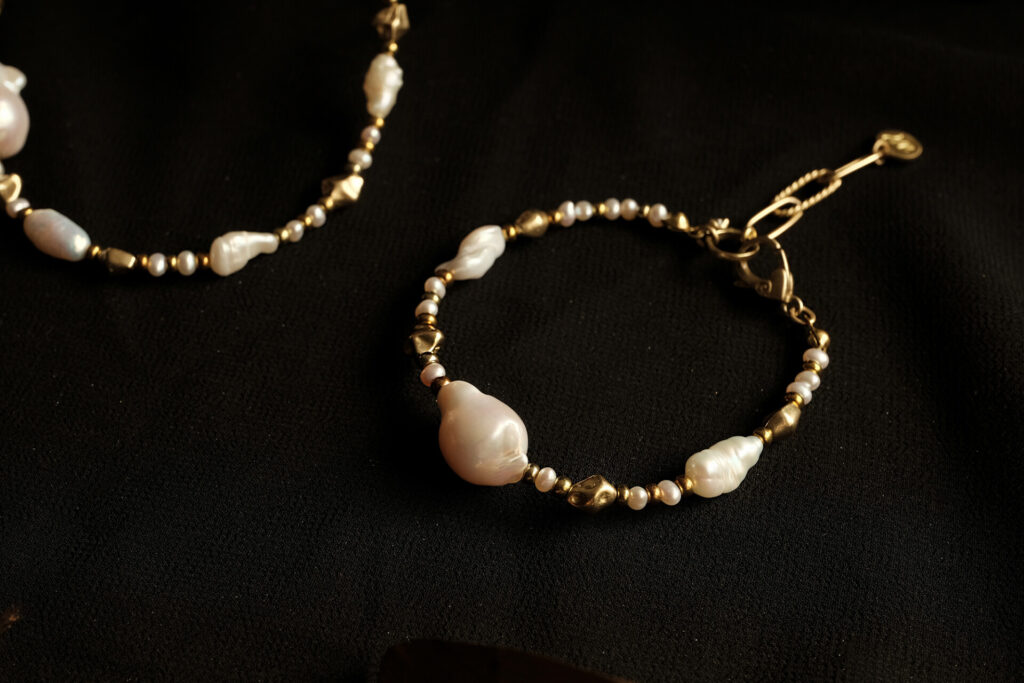
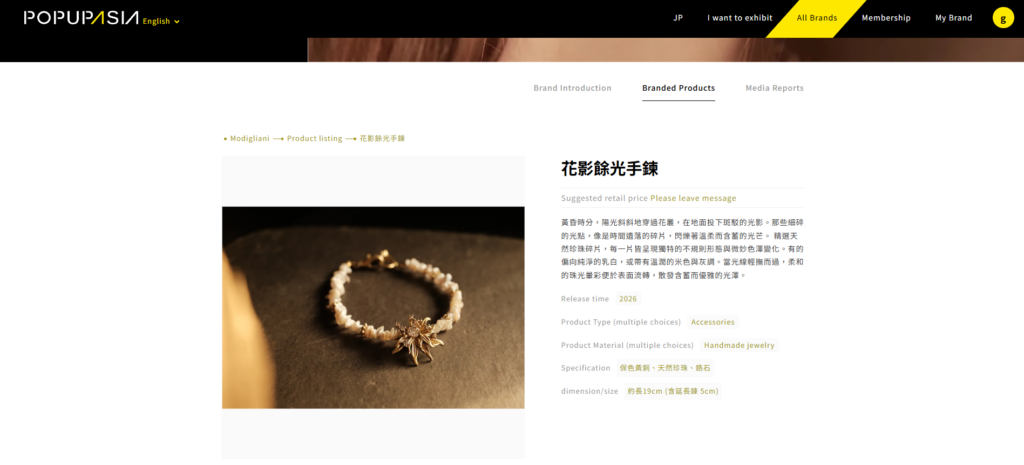
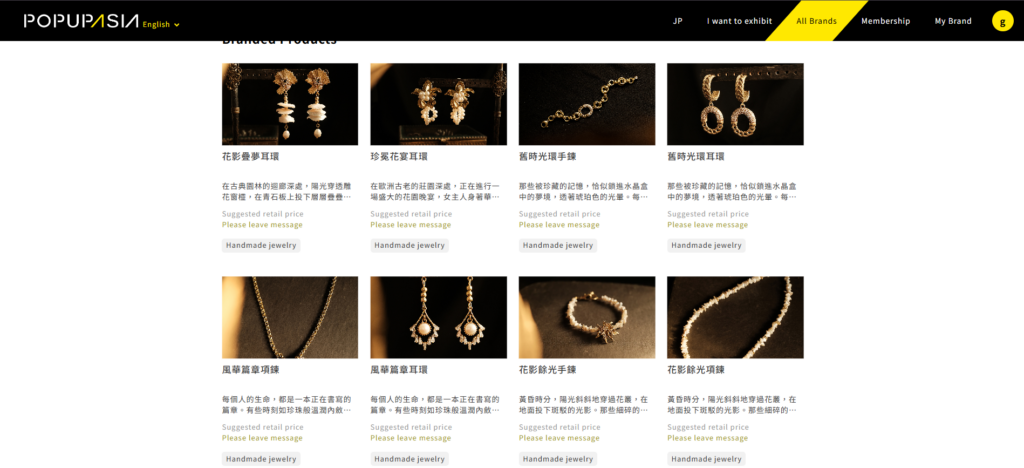
Handcrafted brass jewelry by Modigliani,
combining vintage-inspired details with timeless feminine elegance.
A close-up photo can show the natural color of the brass, the quality of the finishing, and the details of the pearls or zircon stones. A lifestyle photo can also help readers imagine how the jewelry looks when worn and how it fits into everyday styling.
Each image should include the brand name, a short caption, descriptive alt text, and a link to the brand’s official website, social media, or POPPASS profile.
✦ Using the POPUPASIA® (POPPASS) Brand Profile
to Clarify Your Positioning 〃
For brands joining POPUPASIA®, the brand profile and exhibitor page provide a space to organize key information before presenting it to visitors and professional buyers.

Preparing the page encourages brands to answer practical questions:
- What product category does the brand belong to?
- What materials or techniques make the products different?
- Who is the main customer?
- What keywords best describe the style?
- What kind of retail, licensing, distribution, or international collaboration is the brand looking for?
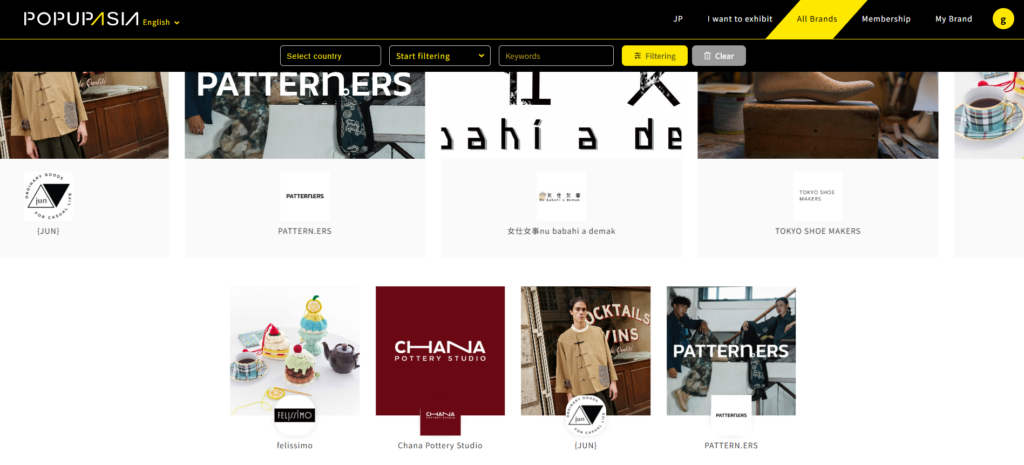
This process is useful because a brand’s positioning is sometimes clear to the founder but not yet clear to the public.
The POPUPASIA® exhibitor page is not only a place to upload a logo and a short story. It can act as a structured brand introduction that helps buyers, partners, and customers understand the business more quickly.
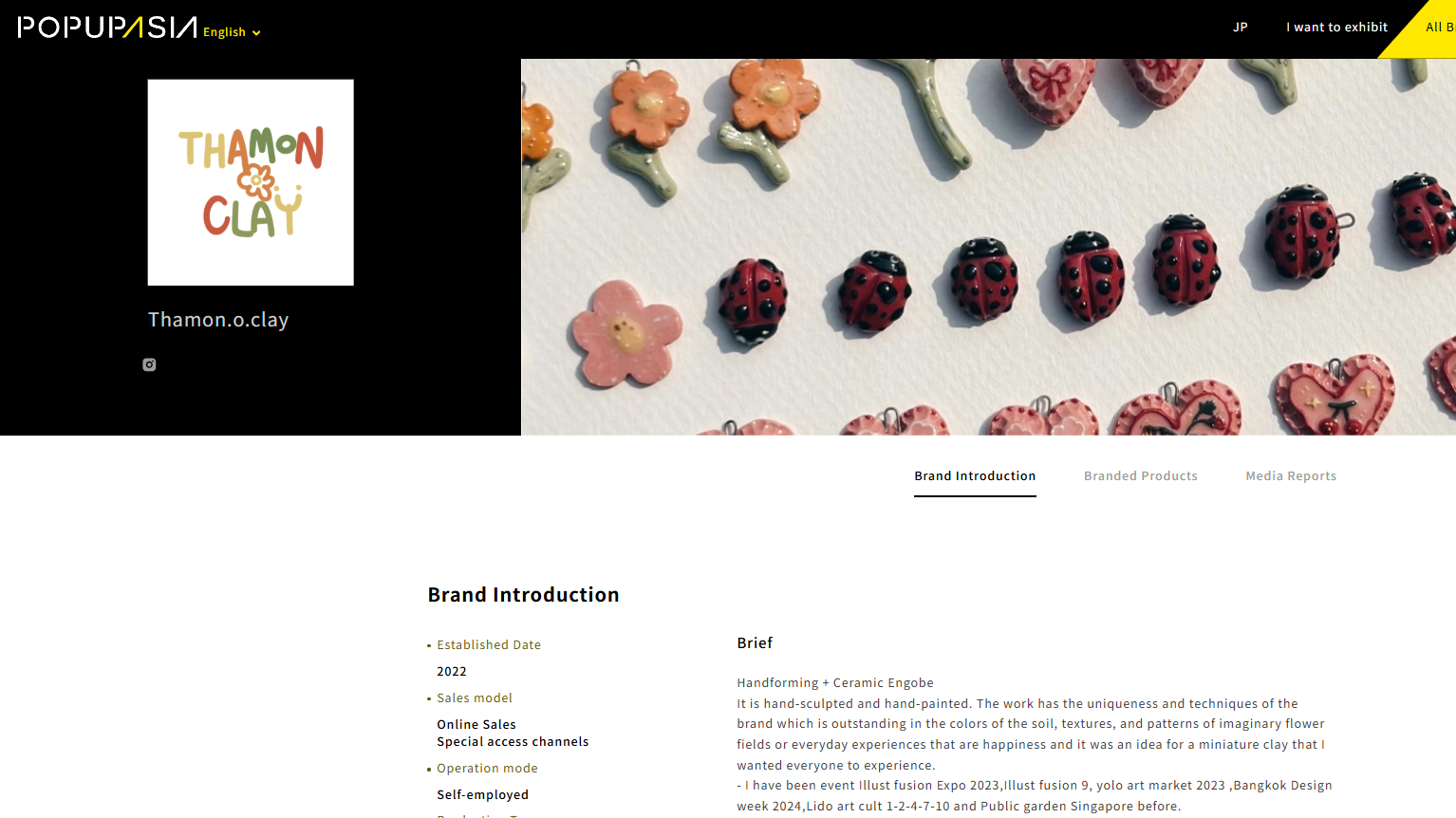
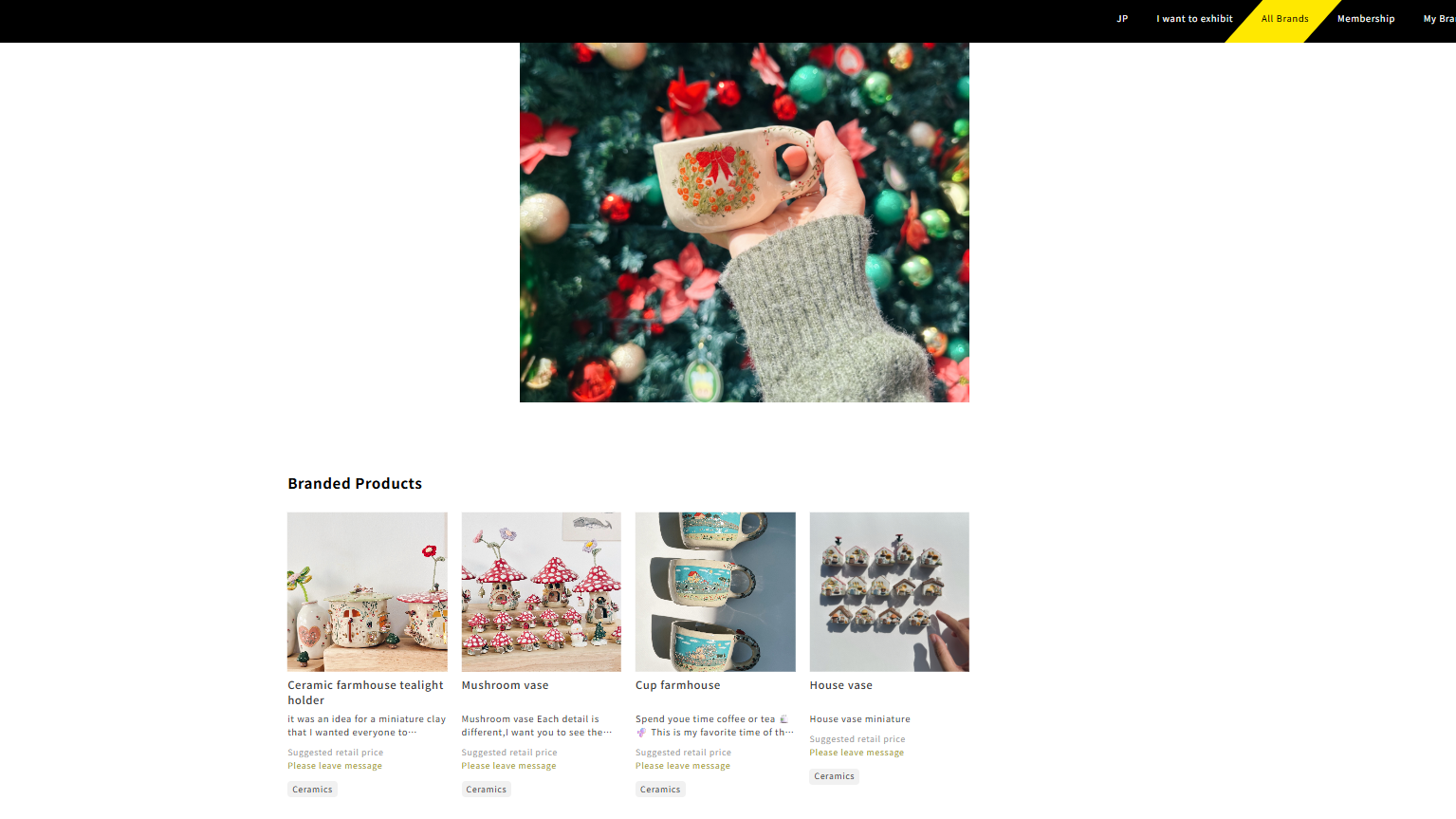
See Thamon.o.clay as an example
For small brands preparing to meet international audiences, this clarity matters. A buyer may only spend a few seconds reviewing each brand. The description should make it easy to understand what the product is, why it is relevant, and what kind of opportunity the brand is ready to explore.
Ready to Make Your Brand More Searchable?
Join POPPASS—our B2B platform connecting you with authentic, creative brands from across Asia. Explore exhibitor profiles, start collaborations, and be part of the POPUPASIA® network.
Join POPPASS ➜ Tutorial on how to register