
Today, brands can reach customers through
Instagram, e-commerce platforms, and their own online stores without ever opening a physical shop.
So why do creative brands still invest time, money, and effort in participating in physical exhibitions?
Over the past decade,
POPUPASIA® has seen how exhibitions can create opportunities that
go beyond selling products during a four-day event.
Their value often lies in the connections formed between
creators, consumers, professional buyers, media, retailers, and potential business partners
—people who might otherwise never meet.
Since its launch in 2016,
POPUPASIA® has evolved from a platform for showcasing and selling handmade products into a broader network supporting creative entrepreneurship, business matchmaking,
and cross-border collaboration across Asia.
As POPUPASIA® celebrates its 10th edition in 2026,
one question remains particularly relevant:
What can brands gain from exhibiting in person that online platforms cannot easily provide?
Why Do Physical Exhibitions Still Matter
in the Age of Online Shopping? .✦ ݁˖
Social media and e-commerce have made it easier than ever for independent brands to introduce their products to consumers. A small creative studio can now build an audience, accept orders, and reach customers beyond its home market.
Yet online visibility does not always lead to meaningful business relationships.
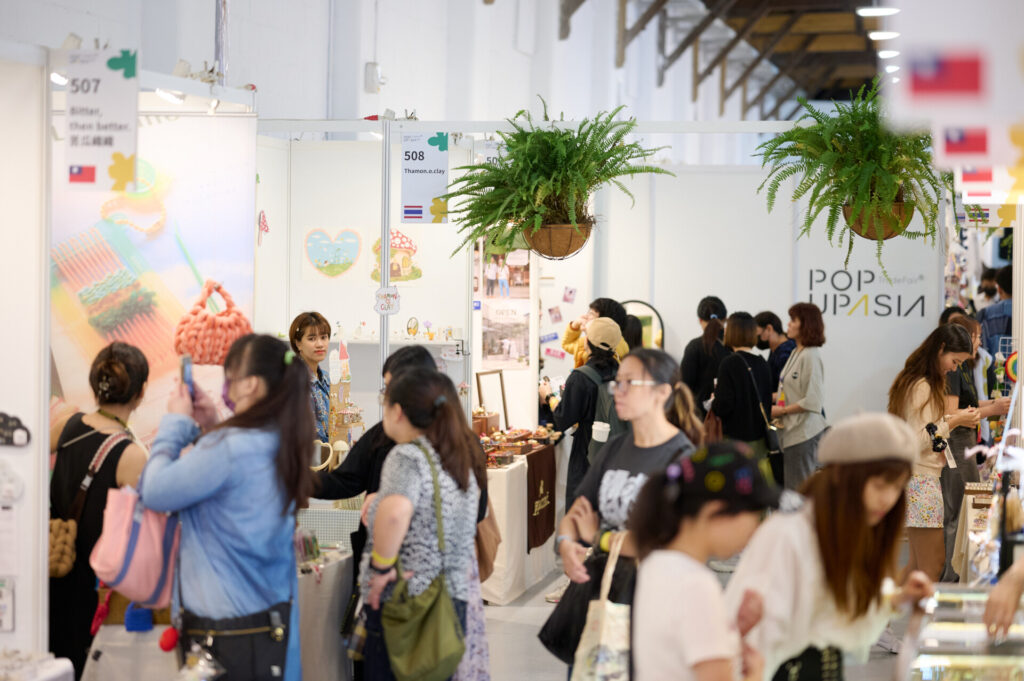
For handmade and design-focused products, physical interaction offers something different. Visitors can feel the texture of a leather bag, examine the details of handcrafted jewelry, try on a pair of shoes, or experience a fragrance before purchasing it.
More importantly, exhibitions allow creators to explain the ideas, materials, techniques, and cultural stories behind their work. Instead of relying entirely on photographs and product descriptions, brands can communicate directly with the people interested in their products.
These interactions also extend beyond individual customers.
A visitor admiring a product might be a retail buyer looking for emerging brands, a journalist searching for a story, or a business representative exploring potential collaborations.
For independent brands seeking growth, these encounters can become the starting point for opportunities that are difficult to create through online sales alone.
⋆.˚ What Is the Difference Between a Creative Market
and a Professional Exhibition? ⋆.˚
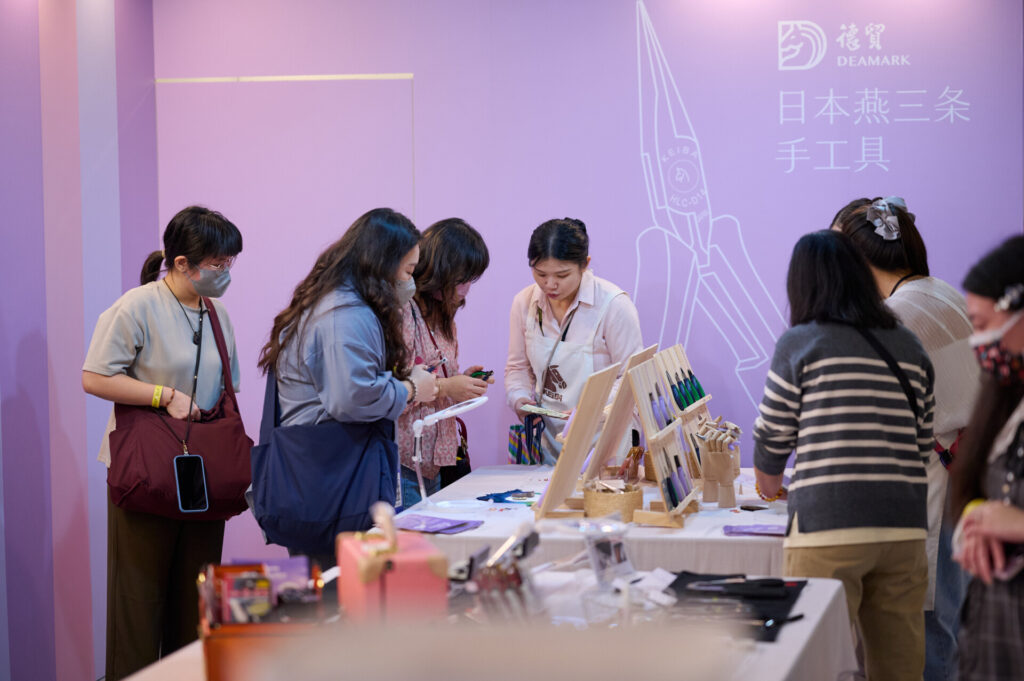
Creative markets and professional exhibitions both give brands opportunities to showcase products and interact with visitors. However, they often serve different business purposes.
A creative market generally focuses on direct-to-consumer sales. Customers browse products, speak with creators, and make purchases on-site. For small brands, these events can provide valuable sales opportunities and immediate customer feedback.
A professional exhibition can offer these same experiences while also creating opportunities for business-to-business (B2B) connections.
Rather than focusing exclusively on individual purchases, participating brands may meet retailers, distributors, corporate buyers, and other organizations interested in longer-term cooperation.
For example, a visitor might purchase a handmade ceramic cup for personal use, while a retail buyer might explore whether the same collection could be stocked in a lifestyle store.
Both interactions are valuable, but they create different possibilities for the brand.
POPUPASIA® brings these dimensions together by connecting consumer experiences with brand development and commercial opportunities. Beyond its annual exhibition, the platform has developed business matchmaking initiatives, brand development programs, and international exchanges to help creators reach broader markets.
The difference is not simply how many products a brand sells during an event,
but what opportunities may continue after it ends.
5 Benefits Brands Can Gain from Exhibiting in Person ✮⋆˙
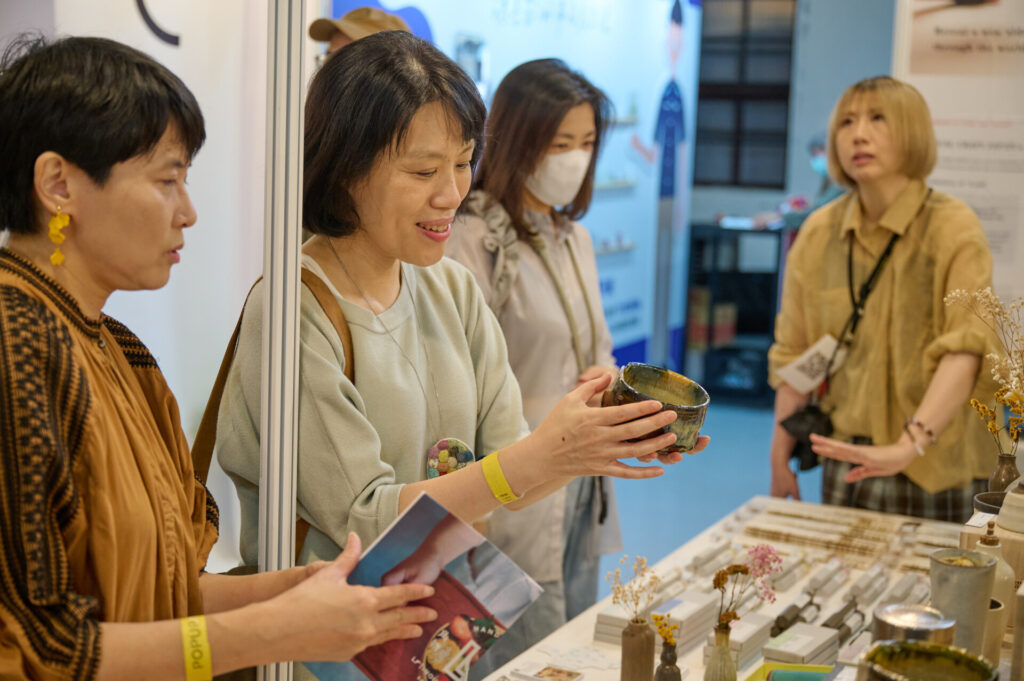
For independent creators and emerging lifestyle brands, the benefits of participating in a physical exhibition extend well beyond immediate sales.
1. Meeting Customers and Understanding Their Needs
Face-to-face interactions allow brands to observe how people respond to their products.
Which designs attract attention? What questions do visitors ask? How do customers respond to the materials, functionality, and price?
These conversations can offer useful insights that are not always visible through online engagement metrics.
For brands developing new collections or entering unfamiliar markets, direct customer feedback can help inform future product and marketing decisions.
2. Connecting with Professional Buyers
Finding buyers is one of the biggest challenges for small creative brands.
Even brands with strong online communities may struggle to reach the people responsible for product sourcing, wholesale purchasing, or retail selection.
Professional exhibitions create opportunities for these connections.
At POPUPASIA®, brands can engage with potential partners interested in areas such as retail sourcing, corporate gifting, product distribution, and cross-border cooperation.
A conversation with the right buyer may lead to further discussions about wholesale orders, consignment arrangements, or retail placement.
While not every introduction results in a commercial agreement, meeting relevant buyers is an important first step toward building new business relationships.
3. Gaining Media Exposure and Brand Visibility
Exhibitions also bring together journalists, content creators, and industry professionals interested in discovering emerging brands and creative trends.
For independent businesses with limited marketing resources, these encounters provide opportunities to communicate their stories to audiences beyond their existing followers.
A compelling product is often more memorable when people can meet its creator and understand the craftsmanship or cultural background behind it.
Media attention is never guaranteed, but exhibitions give brands another setting in which their work can be discovered and discussed.
4. Building Partnerships and Expanding Sales Channels
Long-term business growth often depends on relationships beyond a brand’s own customer base.
These may include retailers, distributors, manufacturers, cultural organizations, and other creative businesses.
Through its business matchmaking initiatives, POPUPASIA® has supported connections across different industries and markets.
One example is its collaboration with Taiwan’s National Museum of History, through which six Asian craft brands were introduced to the museum’s retail store.
Another example is the collaboration involving Japanese tool manufacturer KEIBA, a Taiwanese distributor, and Asian creators, which created opportunities for professional exchange and potential product-development cooperation.
These examples illustrate how exhibition-related connections can extend into retail placement, industry collaboration, and new business possibilities.
For smaller brands, expanding sales channels does not necessarily mean opening their own stores. It can also involve reaching customers through established retail partners and other distribution networks.
5. Testing Products and Exploring New Markets
Physical exhibitions also give brands opportunities to evaluate how their products may perform in different markets.
A design that is familiar to consumers in Taiwan may attract different questions or preferences from visitors from Japan, Thailand, or other parts of Asia.
By meeting these audiences directly, brands can learn more about customer expectations, product positioning, and potential market fit.
For emerging businesses considering international expansion, these interactions can provide an early indication of which products or partnerships deserve further exploration.
Instead of treating an exhibition solely as a sales event, brands can use it as a space for learning, testing, and preparing their next steps.
Why Do Professional Buyers Need to See Products in Person? ✴︎˚。⋆
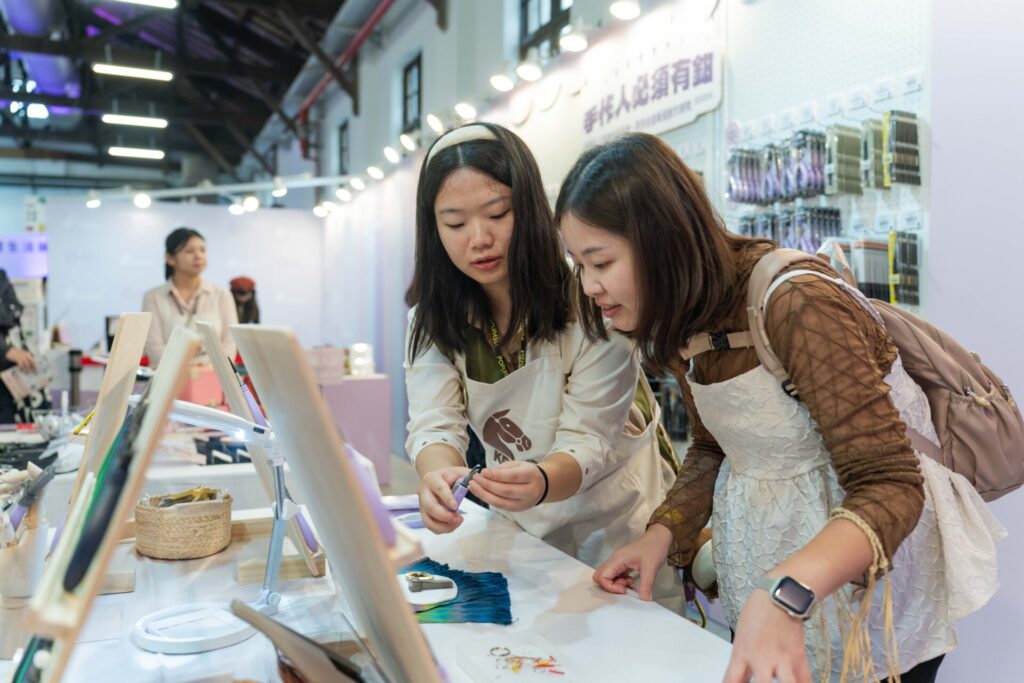
For professional buyers, selecting products involves more than finding attractive images online.
A retail buyer may need to assess product quality, materials, finishing, packaging, and suitability for a particular store or customer segment.
When sourcing handmade products, buyers may also want to understand how items are produced, whether supply can be maintained, and how a brand handles quality consistency or customization.
Physical exhibitions allow buyers to examine products closely and discuss these questions directly with the people behind them.
They also provide opportunities to understand the brand’s identity and the story that differentiates its products from others in the market.
At POPUPASIA® 2026, this experience is reflected in the exhibition’s international focus.
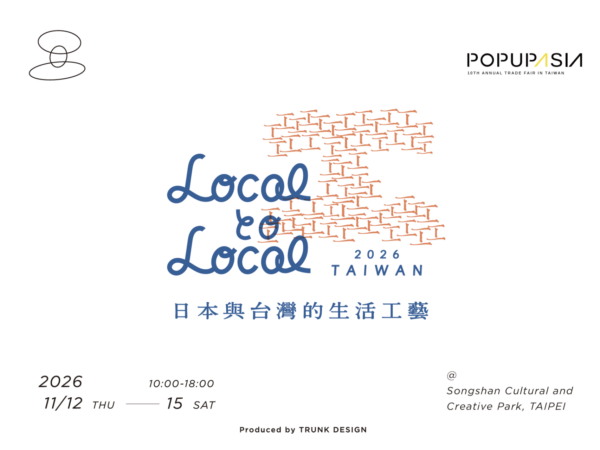
The Local to Local exhibition in Warehouse 5, co-curated with Kobe-based TRUNK DESIGN, brings together regional crafts and lifestyle products from Japan and Taiwan. Visitors and potential buyers can discover products through their materials, places of origin, and manufacturing traditions.
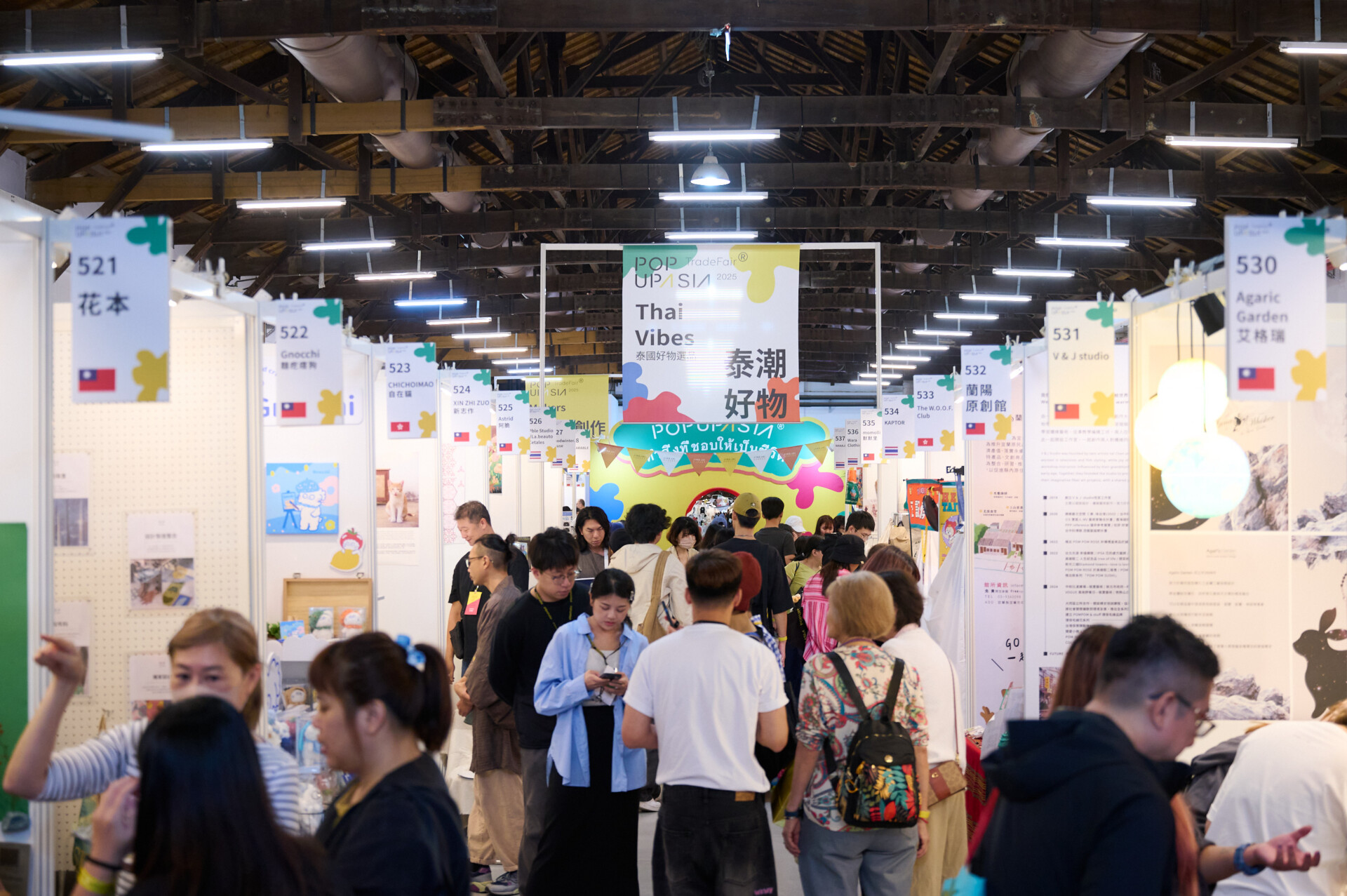
Meanwhile, Warehouse 4 introduces contemporary lifestyle brands and creators from Taiwan, Japan, Thailand, and other Asian markets, covering categories such as fashion, accessories, ceramics, fragrances, and design goods.
For buyers seeking distinctive products, seeing these collections in person provides an opportunity to evaluate not only individual items but also the people, skills, and local cultures behind them.
From First Introduction to Long-Term Collaboration ⭒˚.⋆
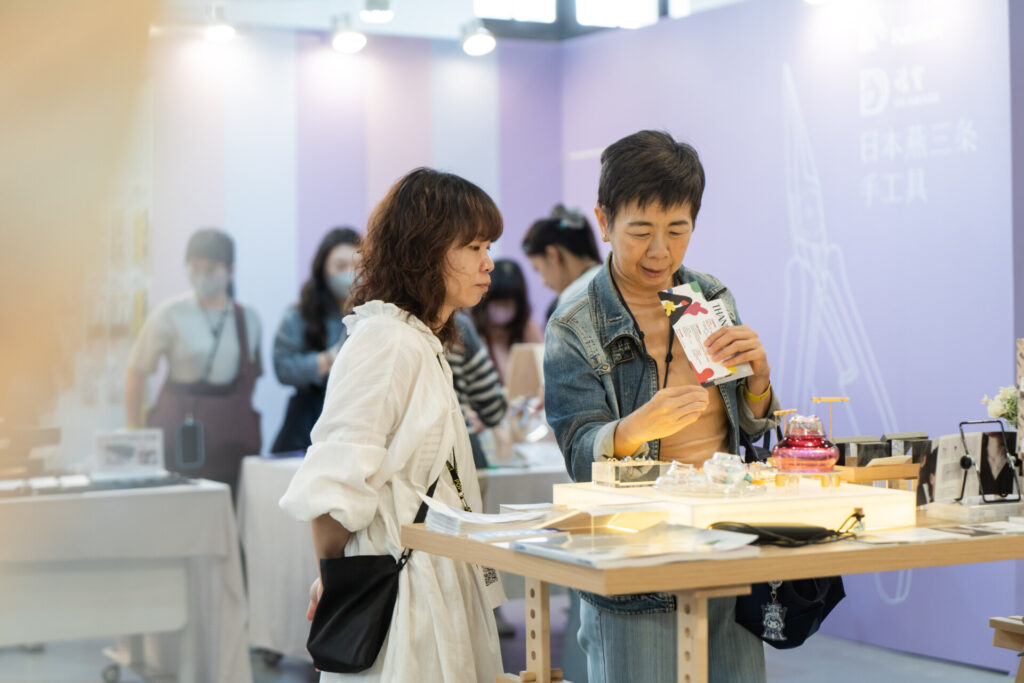
Meaningful business partnerships rarely develop from a single conversation.
An initial meeting at an exhibition may begin with a buyer discovering a product, asking about its materials, or learning about the creator’s background.
Further discussions may involve wholesale pricing, production capacity, delivery arrangements, or potential retail channels.
Even when both parties are interested, developing a partnership takes communication, preparation, and follow-up.
This is why the value of exhibiting should not be measured solely by on-site revenue.
A four-day exhibition can create introductions that continue through emails, meetings, product samples, and subsequent business discussions.
Over the past ten years, POPUPASIA® has expanded its activities to support brands beyond the exhibition floor, including brand development initiatives, business matchmaking, international exhibitions, and its online platform, POPPASS.
These efforts reflect a broader understanding of what independent creative businesses need: not only opportunities to sell, but also access to networks, market knowledge, and potential long-term partners.
An exhibition may last four days, but the relationships formed there can continue long afterward.
How Does POPUPASIA® Support Business Matchmaking Before,
During, and After the Exhibition? ⭑.ᐟ
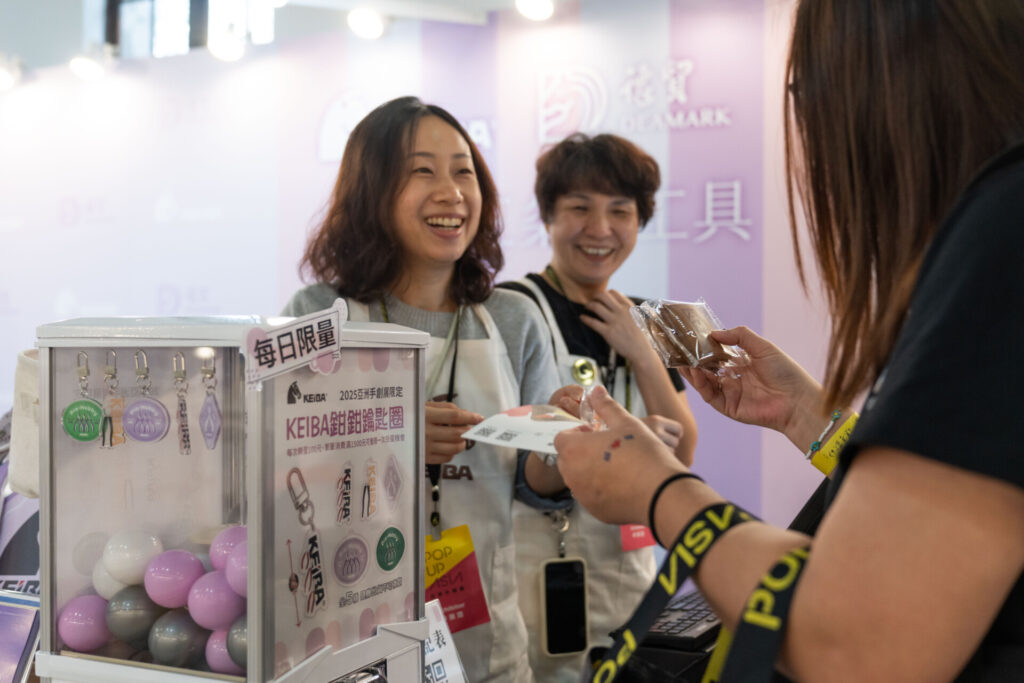
Since 2016, POPUPASIA® has worked toward connecting Asia’s creative brands with markets, buyers, and industry partners.
Its approach extends across different stages of the exhibition experience.
Before the Exhibition: Preparing Brands and Building Connections
Preparation begins well before the exhibition opens.
Through exhibitor recruitment, brand development activities, and pre-exhibition guidance, POPUPASIA® supports creators as they prepare to present their products and communicate their brand identity.
Business matchmaking initiatives also help connect participating brands with potential buyers and organizations based on their business interests and needs.
For emerging brands, this preparation can be valuable when approaching professional buyers for the first time.
During the Exhibition: Meeting Buyers Face to Face
During the exhibition, brands have opportunities to introduce their products directly to consumers, professional buyers, media representatives, and industry partners.
POPUPASIA® has also organized dedicated B2B matchmaking sessions to encourage more focused commercial discussions.
For example, its 2025 business matchmaking program included sessions addressing corporate and sustainability-related partnerships, Taiwanese and Japanese lifestyle brands, and creative collaboration across Asia.
These activities complement the wider exhibition by creating opportunities for targeted conversations rather than relying entirely on chance encounters.
After the Exhibition: Keeping Business Opportunities Moving
The end of the exhibition does not have to mean the end of a business relationship.
Brands and interested partners can continue their discussions, exchange information, and explore potential commercial arrangements after meeting in person.
POPUPASIA® also operates POPPASS, an online platform through which creative brands can establish profiles, maintain visibility, and connect with potential business partners beyond the exhibition period.
Alongside international exchange and market development initiatives, this provides another way for brands to remain connected to the wider creative ecosystem.
From preparation to face-to-face introductions and continued engagement, POPUPASIA® aims to make participation part of a broader journey of brand development.
Ten Years of POPUPASIA®:
From Creative Markets to an Asian Business Network ✧˖°.
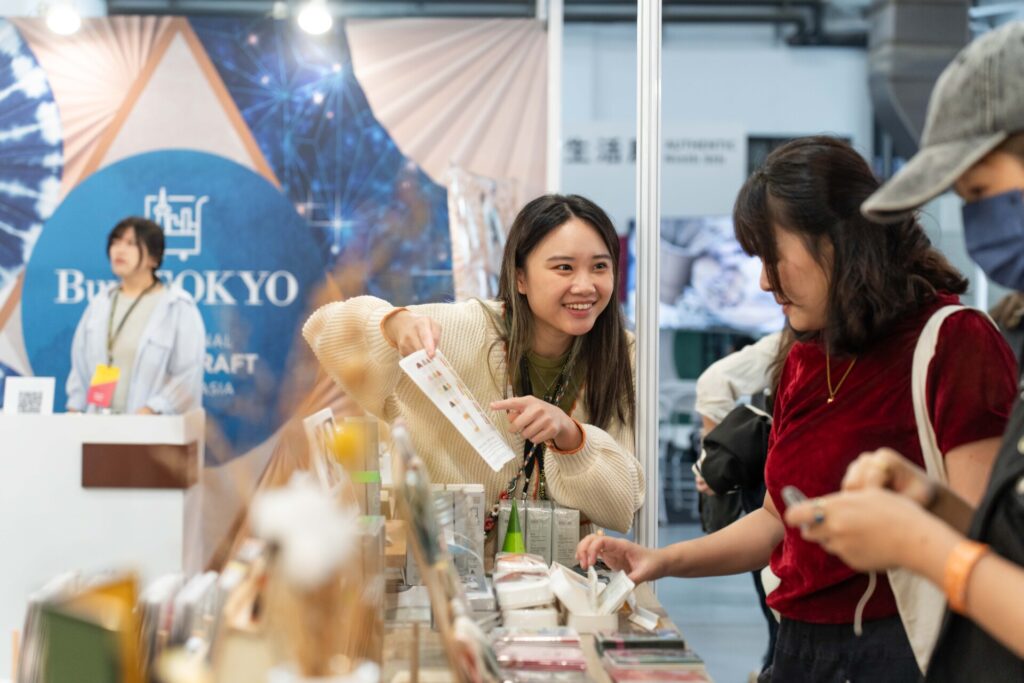
When POPUPASIA® first launched at Songshan Cultural and Creative Park in Taipei in 2016, it set out to create a platform where Asian creative brands could showcase their work, meet audiences, and explore business opportunities.
Over the following decade, its activities expanded to include brand development programs, B2B matchmaking, online networking, and international exchanges involving markets such as Japan, Thailand, and Macau.
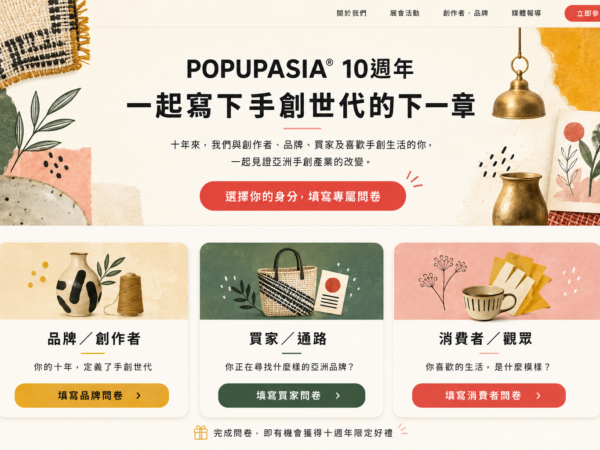
In 2026, the exhibition reaches its 10th edition under the theme EXPO THE WORLD, bringing together creators, lifestyle brands, regional industries, and partners from across Asia.
The milestone also marks the upcoming release of the POPUPASIA® 10th Anniversary Social Impact Special Publication on November 12, 2026.
Drawing on brand stories, interviews, survey findings, and records from the past decade, the publication will examine how creative entrepreneurship has developed and what kinds of support creators need to build sustainable businesses.
At the heart of this reflection is a question that has shaped POPUPASIA® since its beginning: How can creators turn what they love into a sustainable livelihood?
For brands considering their next exhibition, the answer may begin with looking beyond immediate sales.
Meeting a customer, discovering a potential buyer, receiving useful product feedback, or starting a conversation with a future retail partner can all contribute to a brand’s long-term development.
After ten years, POPUPASIA® continues to work toward the same vision: connecting Asia’s creative ecosystem and helping local creations reach wider markets.
Build Local. Sell Global.
Frequently Asked Questions (FAQ)
1. What are the benefits of exhibiting at a trade show?
Exhibiting at a trade show can help brands increase visibility, meet customers, connect with professional buyers, gain media exposure, receive product feedback, and explore retail or distribution partnerships. The benefits may extend beyond sales made during the event.
2. What is the difference between a creative market and a professional exhibition?
Creative markets generally emphasize direct sales and interactions with consumers. Professional exhibitions may also offer opportunities for B2B networking, wholesale sourcing, industry partnerships, and business matchmaking. Some events, including POPUPASIA®, combine both approaches.
3. Are large exhibitions suitable for small brands?
Yes, small brands can benefit from larger exhibitions, particularly when they want to reach new audiences or explore business partnerships. However, they should consider participation costs, production capacity, target customers, and business goals before exhibiting.
4. Can brands find buyers and distribution partners through exhibitions?
Yes. Exhibitions provide opportunities to meet retailers, distributors, corporate buyers, and potential business partners. These connections may lead to wholesale discussions, consignment arrangements, retail placement, or other forms of collaboration, although commercial results are not guaranteed.
5. Does POPUPASIA® offer business matchmaking services?
Yes. POPUPASIA® has organized B2B business matchmaking activities that connect creative brands with buyers, retailers, and potential partners. Brands can also explore POPPASS, the platform’s online brand and business networking system, for additional opportunities.
Take the Next Step with POPUPASIA®
Whether you are an independent creator preparing to exhibit, a professional buyer discovering emerging lifestyle brands, or a business exploring new partnerships, POPUPASIA® offers opportunities to connect with Asia’s creative community.
For Brands — Explore Exhibition Opportunities
Introduce your products, meet new audiences, and explore possibilities for future business growth.
For Buyers — Explore Buyer Registration
Discover original products and connect with creative brands from Taiwan, Japan, Thailand, and beyond.
For Business Partners — Learn About Business Matchmaking
Explore B2B connections, retail partnerships, corporate sourcing, and opportunities for cross-border collaboration.
Visit the official website | Explore POPPASS
POPUPASIA® 2026 —
10th Anniversary Asian Handmade & Lifestyle Exhibition
Theme: EXPO THE WORLD
Dates: November 12–15, 2026
Opening Hours: 10:00 AM–6:00 PM daily (public admission begins at 12:00 PM on Thursday)
Venue: Warehouses 4 & 5, Songshan Cultural and Creative Park, Taipei, Taiwan
POPUPASIA® — Build Local. Sell Global.
Want More Brand Stories?
Join POPPASS—our B2B platform connecting you with authentic, creative brands from across Asia. Explore exhibitor profiles, start collaborations, and be part of the POPUPASIA® network.
Join POPPASS ➜ Tutorial on how to register