
Explore Japanese craftsmanship, regional design,
and Taiwan–Japan cultural exchange at Warehouse 5 of POPUPASIA® 2026.
Where can you discover authentic Japanese regional crafts without traveling to Japan?
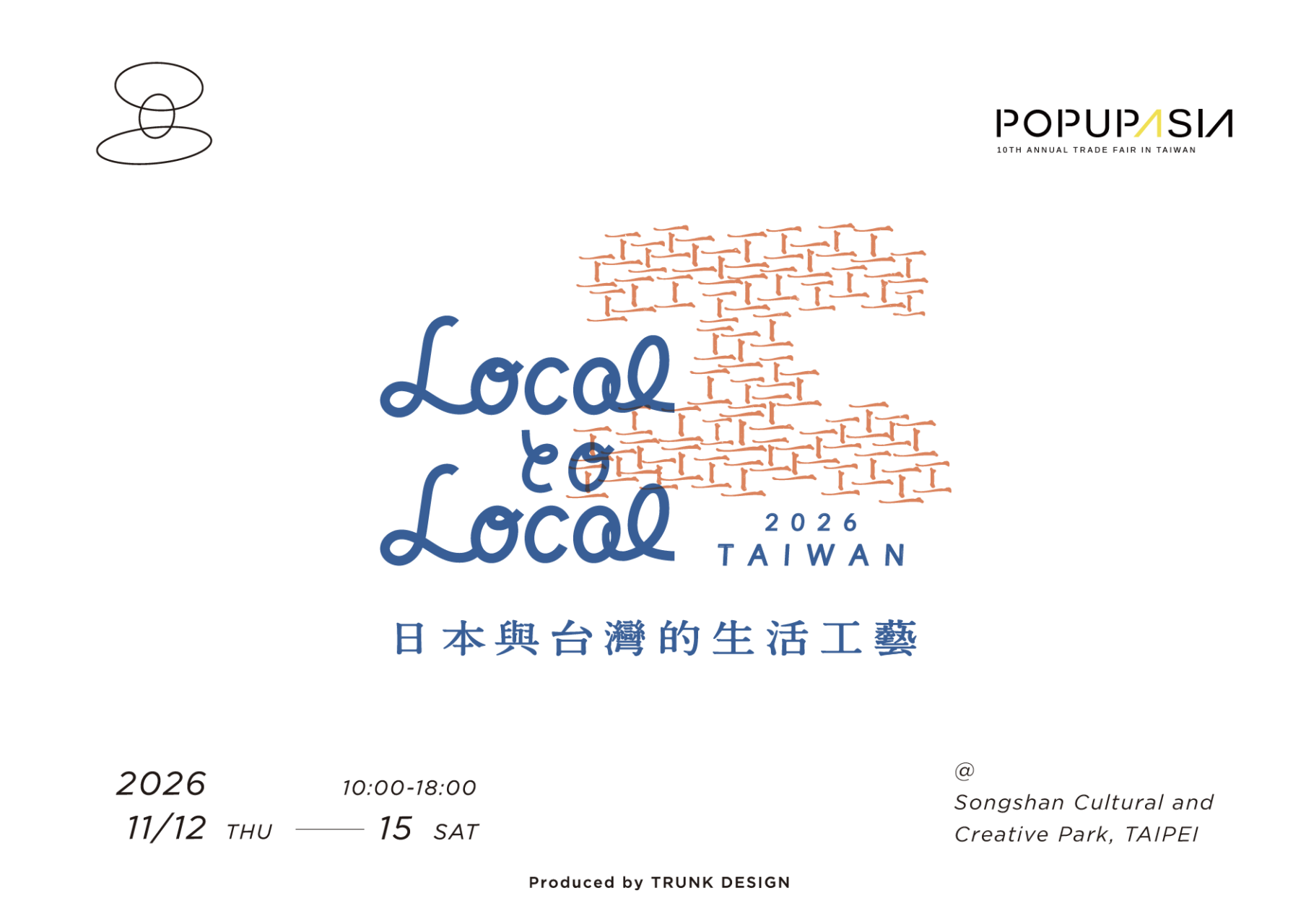
From November 12–15, 2026, POPUPASIA® Asian Craft and Lifestyle Fair will bring Japanese and Taiwanese craftsmanship together at Warehouse 5 of Songshan Cultural and Creative Park in Taipei.
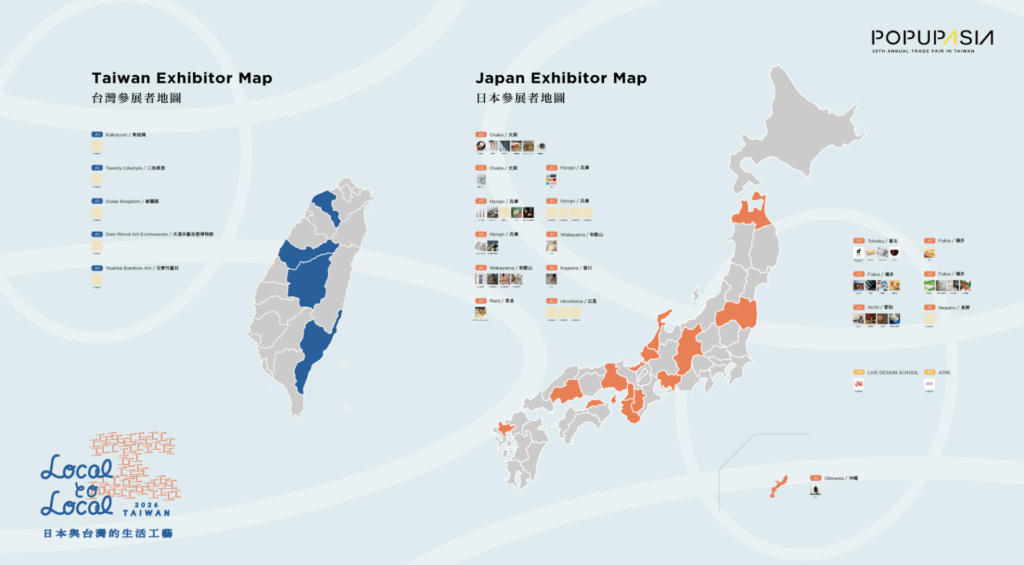
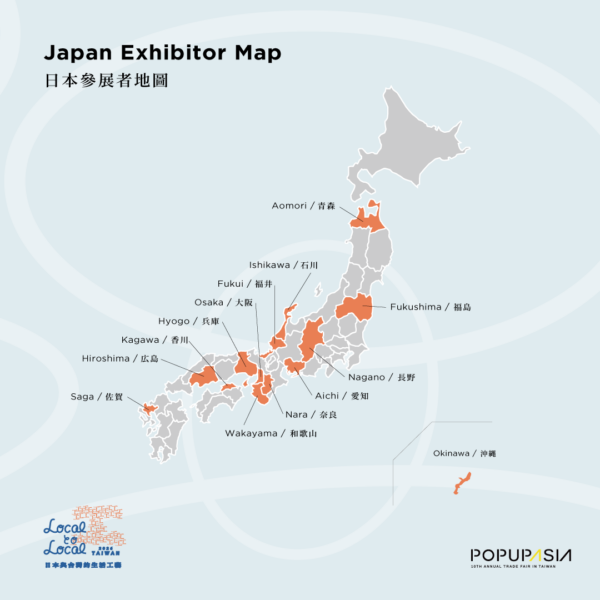
Co-curated with Kobe-based TRUNK DESIGN, the special exhibition Local to Local will introduce crafts, everyday objects, and lifestyle products from 14 Japanese prefectures and four Taiwanese regions, connecting traditional skills with contemporary living.
What Is Local to Local
at POPUPASIA® 2026?
A beautifully crafted object often carries more than its appearance. Behind a kitchen knife, a wooden bowl, or a piece of woven fabric lies the story of a place—its materials, techniques, people, and way of life.
This connection between local craftsmanship and everyday living is at the heart of Local to Local, a special exhibition jointly curated by POPUPASIA® and Japanese creative studio TRUNK DESIGN for the fair’s tenth anniversary.
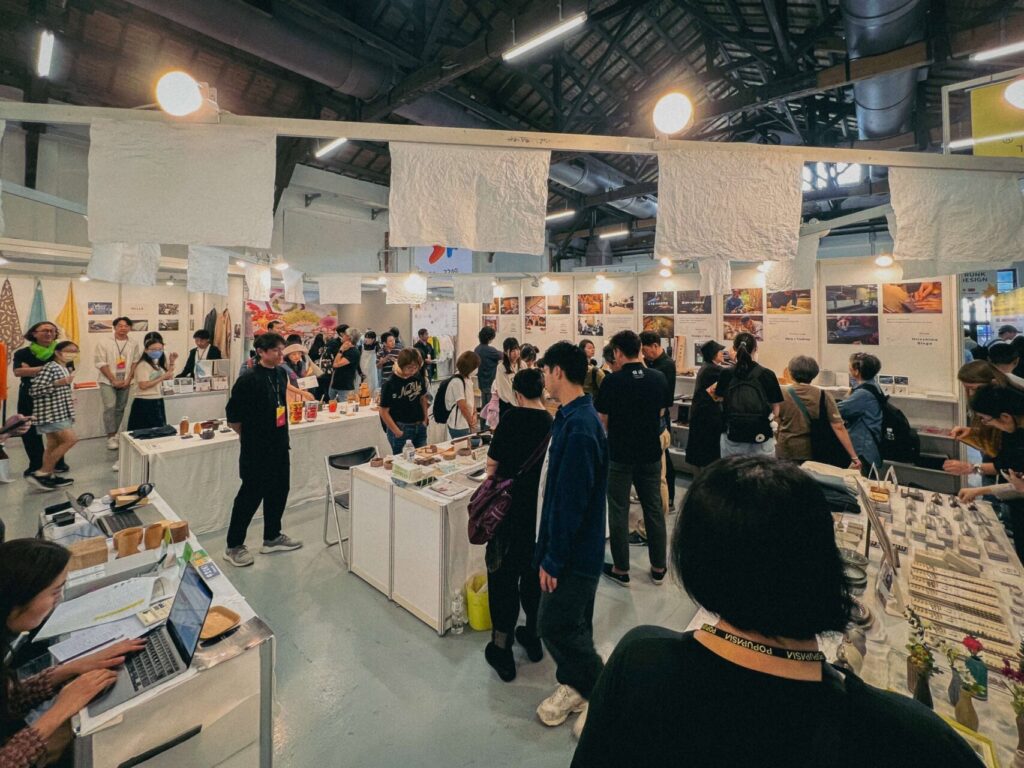
Held at Warehouse 5, the exhibition brings together more than 60 planned participating brands from 14 Japanese prefectures and four Taiwanese regions. Visitors can discover everything from traditional Japanese kitchenware and lacquerware to ceramics, textiles, leather accessories, woodworking, and contemporary lifestyle products.
Rather than presenting craftsmanship simply as something to admire, Local to Local invites visitors to explore how regional traditions continue to evolve through modern design.
The concept also goes beyond bringing Japanese products to Taiwan. By presenting Japanese and Taiwanese makers together, Local to Local creates an opportunity to understand how different communities work with their own materials, preserve local knowledge, and develop products for contemporary life.
For visitors, it is a chance to discover the stories behind the objects they use every day. For creators and professional buyers, it is an opportunity to connect with the people and manufacturing cultures behind those products.
Why Bring Japanese Regional
Craftsmanship to Taiwan?
Japan’s regional craft industries are deeply connected to their places of origin.
Some regions are known for centuries-old metalworking traditions, while others have developed distinctive expertise in textiles, ceramics, woodworking, papermaking, or lacquerware.
These products are shaped not only by technical knowledge but also by local resources, cultural practices, and generations of experience.
At POPUPASIA® 2026, visitors can explore these regional differences without traveling from one Japanese city to another.
The exhibition’s Japanese co-curator, TRUNK DESIGN, plays an important role in bringing these stories together.
Based in Kobe, Hyogo Prefecture, TRUNK DESIGN works across design, product development, branding, retail, and regional manufacturing. Its approach focuses on connecting traditional production techniques with the needs and lifestyles of contemporary consumers.
One example is the studio’s Daily collection, which reinterprets familiar everyday items through practical sizes, thoughtful packaging, and contemporary design. Another is Ku, a washi-based incense product that combines Awaji Island’s incense-making expertise with Japanese papermaking.
Both illustrate how traditional manufacturing techniques can find new relevance in everyday life.
This philosophy reflects the purpose of Local to Local: to help regional craftsmanship remain meaningful, accessible, and connected to the people who use it.
For POPUPASIA®, the collaboration also represents an important step in its ten-year journey—from introducing independent Asian brands to creating deeper exchanges between regional industries, makers, and international markets.
Which Japanese Craft Brands
Can You Discover at Warehouse 5?
One of the most exciting aspects of Local to Local is the opportunity to discover Japanese regional craftsmanship through products that people actually use.
Whether you are interested in kitchen tools, ceramics, handmade accessories, or home furnishings, Warehouse 5 offers a closer look at how different parts of Japan approach everyday design.
Hyogo:
Leather, Kitchen Knives, Textiles, and Local Manufacturing
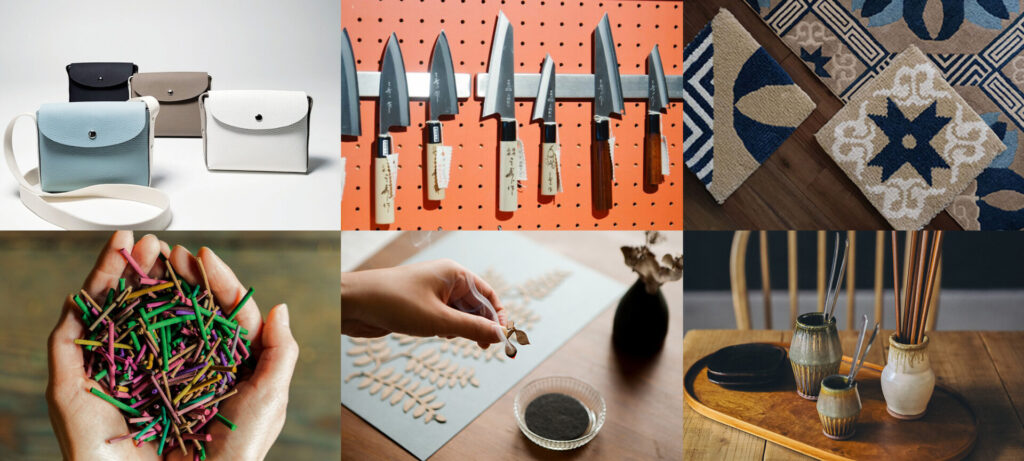
Hyogo Prefecture brings together a wide variety of regional manufacturing traditions.
Visitors interested in Japanese kitchen knives can discover Misuzu Hamono Works, while leather enthusiasts can explore TATSUNO LEATHER and KOBE LEATHER, which highlight the prefecture’s leatherworking heritage.
Other participating names include AKO GABBEH, known for handwoven textiles inspired by traditional Ako craftsmanship, alongside local industries associated with incense, roof tiles, and woven materials.
TRUNK DESIGN also introduces products that show how traditional manufacturing knowledge can be adapted to contemporary lifestyles.
Together, these brands offer a glimpse into Hyogo’s diverse craft culture, where regional expertise continues to inspire practical and thoughtfully designed products.
Osaka:
Kitchenware, Towels, and Everyday Innovation

Osaka’s regional manufacturing culture combines traditional skills with product innovation.
For visitors who enjoy cooking, KAGEKIYO, produced by Baba Cutlery Works, introduces the craftsmanship of Sakai kitchen knives.
FUJITA KINZOKU brings iron cookware developed through decades of metalworking experience, while CHOPLATE® offers an inventive combination of a cutting board and serving plate.
Everyday essentials are another highlight.
SHINTO TOWEL applies traditional Senshu towel-making techniques to contemporary products, while tututata introduces Japanese tenugui towels rooted in Sakai’s textile-processing heritage.
Visitors can also discover KINJO JAPAN, which applies rubber-manufacturing expertise to transparent silicone drinkware.
These products demonstrate how local manufacturing can offer new solutions to familiar everyday needs.
Fukui:
Lacquerware, Washi Paper, and Eyewear
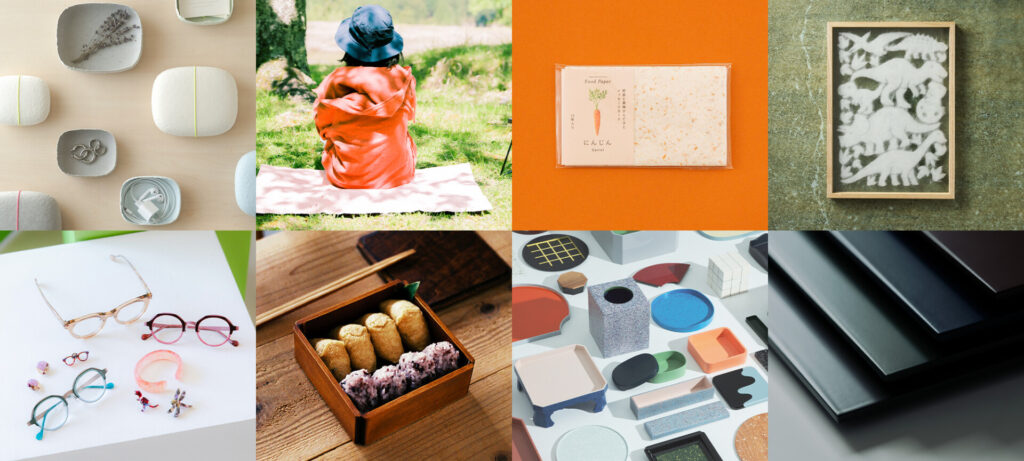
Fukui Prefecture offers a particularly rich introduction to Japanese material craftsmanship.
For those interested in lacquerware, participating makers include Inoue Toku Woodworks, Tsujita Lacquer, Maruhiro Design, and Takahashi Kogei.
Traditional Japanese paper, known as washi, is represented by makers such as Shimizu Shikoh, Ryozo Yanase Paper Mill, Yanase Washi, and Igarashi Paper Mill.
Each offers a different perspective on how paper can be made, processed, and incorporated into contemporary products.
Fukui’s renowned eyewear industry is represented by COTON, while TSUGI introduces lifestyle accessories that connect regional textile knowledge with contemporary design.
Together, these brands reveal how traditional materials and specialized manufacturing techniques can continue to shape modern products.
Nara, Wakayama, and Aichi:
Wood, Textiles, and Ceramics
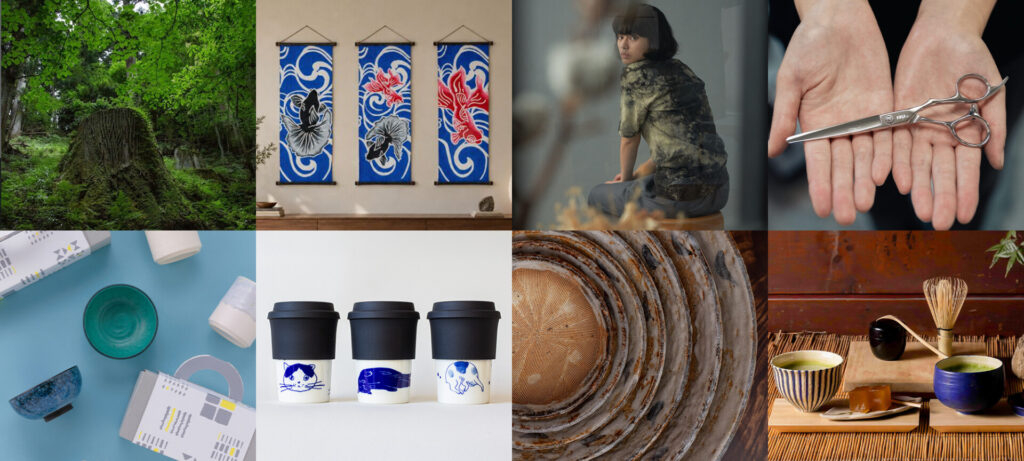
Beyond Japan’s major cities, Local to Local also highlights makers whose work reflects distinctive regional environments and skills.
From Nara, YOSHINO wood & wisdom connects woodworking with the forests and long-established timber culture of Yoshino. Its approach considers not only the products made from wood but also the future of the forests and communities that sustain them.
In Wakayama, Somemichi Dyeing & Flag Studio brings traditional dyeing expertise into contemporary life through textiles and its lifestyle brand HARENO. nū explores the role of sewing and textiles in connecting people, materials, and daily life.
Visitors can also discover KIKUI SCISSORS, a manufacturer specializing in handcrafted professional scissors.
Ceramics enthusiasts should look for EDITIONS, a brand that works with Japanese pottery producers to introduce contemporary tableware while sharing the stories of its makers. Other participating ceramic names include Sojuen, Oji Kiln, and Umemura Shoten.
These brands demonstrate how regional skills can take many forms, from traditional techniques to modern interpretations of familiar objects.
Tohoku, Saga, Kagawa, and Other Japanese Regions
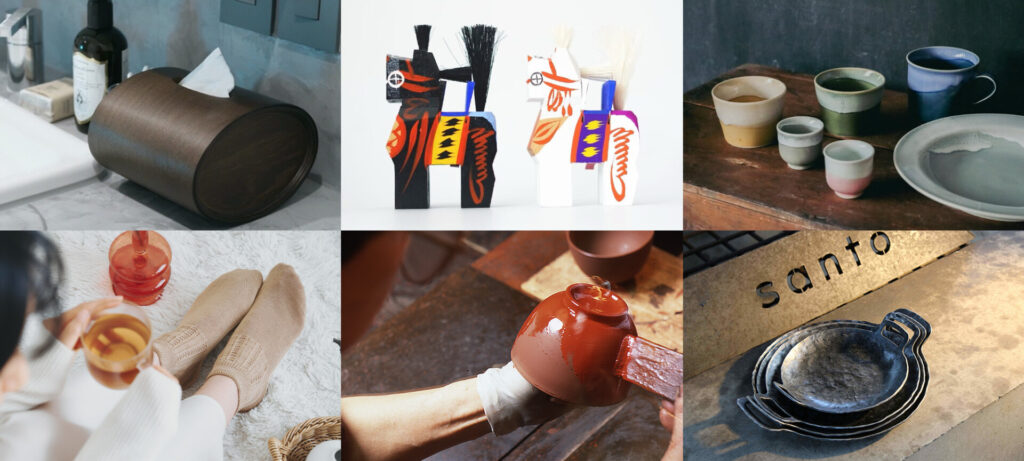
The exhibition also introduces craftsmanship from northern and southern Japan.
From Aomori, BUNACO transforms locally sourced beechwood into contemporary wooden products, demonstrating how regional materials can inspire distinctive design.
D&DEPARTMENT FUKUSHIMA introduces regional objects and folk crafts that reflect the cultural identity of Fukushima.
From Saga, Eguchi Pottery brings ceramic craftsmanship rooted in the region’s pottery traditions.
In Kagawa, fukushin introduces everyday fashion accessories through brands including ecuvo, and shirohadahime, connecting local textile manufacturing with comfort and contemporary lifestyles.
Other planned participants include woodworking from Ishikawa, craft traditions from Nagano, manufacturing brands from Hiroshima, and fashion design from Okinawa.
Together, these brands turn Warehouse 5 into a journey through Japan’s regional manufacturing cultures—one that can be explored through the objects we wear, use, and bring into our homes.
What Taiwanese Crafts
and Local Brands Will Be Featured at Warehouse 5?
Local to Local is not only about introducing Japanese craftsmanship to Taiwan.
Its other essential purpose is to create a dialogue
between the regional manufacturing cultures of Japan and Taiwan.
At Warehouse 5, visitors can explore how Taiwanese creators work
with local materials, traditional techniques, and contemporary design.
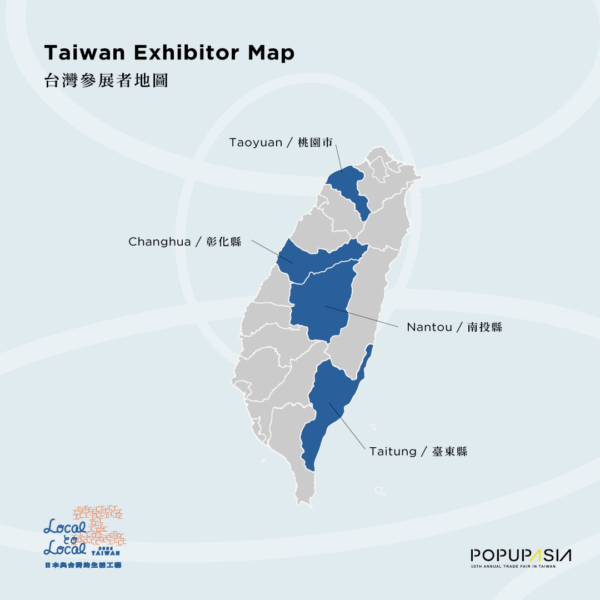
Taoyuan:
Daxi Woodworking and Local Lifestyle Culture
Daxi in Taoyuan is known for its woodworking heritage.
C-house introduces lifestyle products connected to local culture, while Daxi Craft City, associated with Daxi’s woodworking community, presents the area’s craft traditions.
Together, they offer a Taiwanese perspective on how woodworking can remain part of contemporary life.
Changhua:
Giving Discarded Materials New Life
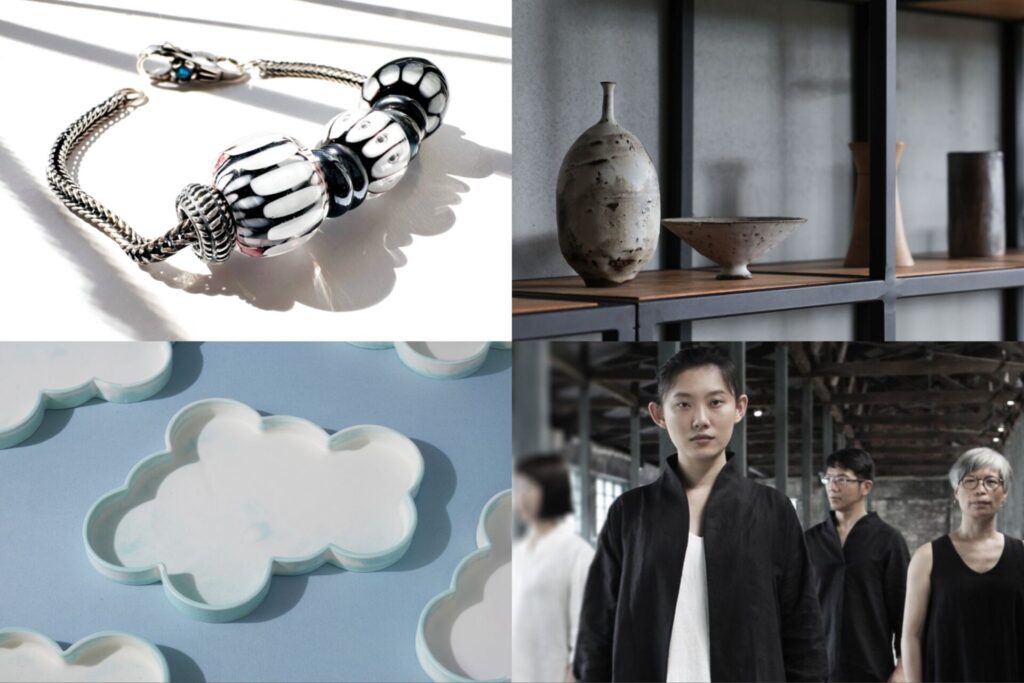
Twenty Lifestyle explores the possibilities of upcycling by transforming discarded materials into furniture and home accessories.
Its work demonstrates how design can extend the usefulness of existing materials while introducing new forms and functions.
Taitung:
Indigenous Craftsmanship and Local Materials
From eastern Taiwan, JIAO Glass Beads introduces glass-bead accessories connected to local craft culture.
Dulan Kingdom presents products made with local materials such as shell ginger, alongside Taiwanese Indigenous crafts and lifestyle goods.
These creations offer visitors a closer look at the relationships between materials, cultural identity, and contemporary design.
Nantou:
Bamboo Craftsmanship for Everyday Living
Yuantai Bamboo Craft Workshop transforms bamboo into practical lifestyle products, including bamboo toothbrushes and cups.
Its work highlights how a familiar local material can become part of daily life through thoughtful craftsmanship.
By bringing these Taiwanese makers together with their Japanese counterparts, Local to Local encourages visitors to see craftsmanship from a broader perspective.
How does one community work with wood, while another approaches ceramics or textiles? What can different regions learn from each other’s experience in preserving and developing local industries?
These questions make Warehouse 5 more than a place to shop. They make it a space for cultural discovery and exchange.
Complete List of
Participating Brands at Local to Local 2026
From traditional Japanese craftsmanship to contemporary Taiwanese lifestyle design, Local to Local brings together makers and creative brands from 14 Japanese prefectures and four Taiwanese regions.
Explore the participating brands by region and discover the different materials, techniques, and everyday products that make each place unique.
Japanese Brands by Prefecture
| Region | Participating Brands |
|---|---|
| Hyogo | TRUNK DESIGN, Misuzu Hamono Works, Tanaka Kazuyuki Hamono Works, metl., TATSUNO LEATHER, KOBE LEATHER, Jibundo, AKO GABBEH, Hyogo Prefecture Incense Cooperative Association, Awaji Roof Tile Industry Association |
| Osaka | CHOPLATE®, KAGEKIYO, FUJITA KINZOKU, SHINTO TOWEL, tututata, KINJO JAPAN, How many grams? |
| Nara | YOSHINO, OFFICE CAMP |
| Wakayama | Somemichi Dyeing & Flag Studio, nū, KIKUI SCISSORS, re, HEMP WEAR KAZE |
| Fukui | Inoue Toku Woodworks, Tsujita Lacquer, Maruhiro Design, Takahashi Kogei, Shimizu Shikoh, Ryozo Yanase Paper Mill, Yanase Washi, Igarashi Paper Mill, COTON, TSUGI |
| Fukushima | meguru, D&DEPARTMENT FUKUSHIMA |
| Aomori | BUNACO, GOBU |
| Aichi | EDITIONS, Sojuen, Oji Kiln, Umemura Shoten |
| Ishikawa | AIZAWA Wood Works |
| Nagano | SHINSHU CRAFT NEXT, Uchiyama Washi, Kiso Lacquerware, Nagiso Woodturning |
| Kagawa | shirohadahime |
| Hiroshima | ISHIKEN, Cotobuki Printing, Sangyo |
| Saga | 江口製陶所 |
| Okinawa | HIGA |
Taiwanese Brands by Region
| Region | Participating Brands |
|---|---|
| Taoyuan – Daxi | C-house, Daxi Craft City |
| Changhua | Twenty Lifestyle |
| Taitung | JIAO Glass Beads, Dulan Kingdom |
| Nantou | Yuantai Bamboo Craft Workshop |
From kitchenware and leather accessories to ceramics, washi paper, textiles, and woodworking, each brand represents a different approach to regional craftsmanship.
Visitors can explore the collections at Warehouse 5 and learn more about the places and people behind the products.
How Does Local to Local
Connect Products with Regional Culture?
Behind every handcrafted or locally manufactured product is a network of people, skills, and knowledge.
A kitchen knife represents more than its cutting performance.
It reflects metalworking expertise and the collaboration of specialized craftspeople.
A ceramic bowl can reveal the distinctive clay, dyeing, and textile production developed over generations.
Local to Local encourages visitors to explore these
relationships through direct encounters with products and the people who understand them best.
Participating creators and knowledgeable representatives will introduce the stories, techniques, and regional backgrounds behind their products.
Visitors can learn why certain materials are used,
how manufacturing traditions have evolved,
and how traditional techniques are being reinterpreted for modern life.
The exhibition also plans opportunities for exchange through craft-related talks, workshops, and the Artisan Bar, where makers and visitors can engage in more informal conversations.
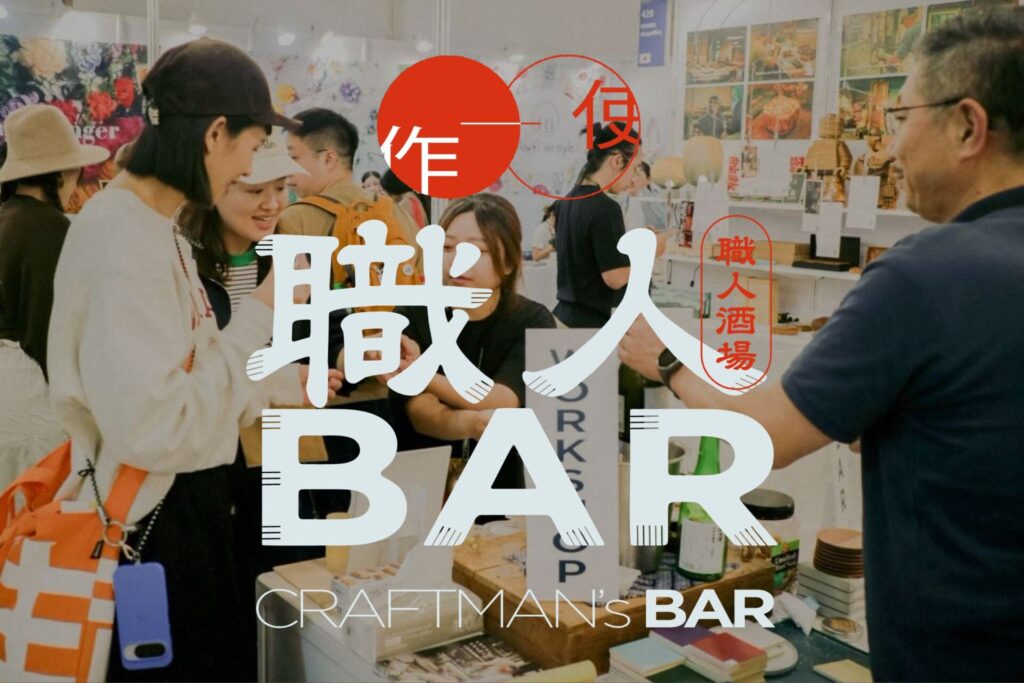
Rather than treating traditional craftsmanship as something belonging only to the past, Local to Local demonstrates that local manufacturing can continue to evolve through contemporary design and meaningful cultural exchange.
This is also what makes POPUPASIA® different from an ordinary shopping event: visitors can discover products while gaining a deeper understanding of the people, places, and ideas behind them.
How Can Professional Buyers
Connect with Japanese Brands at POPUPASIA®?
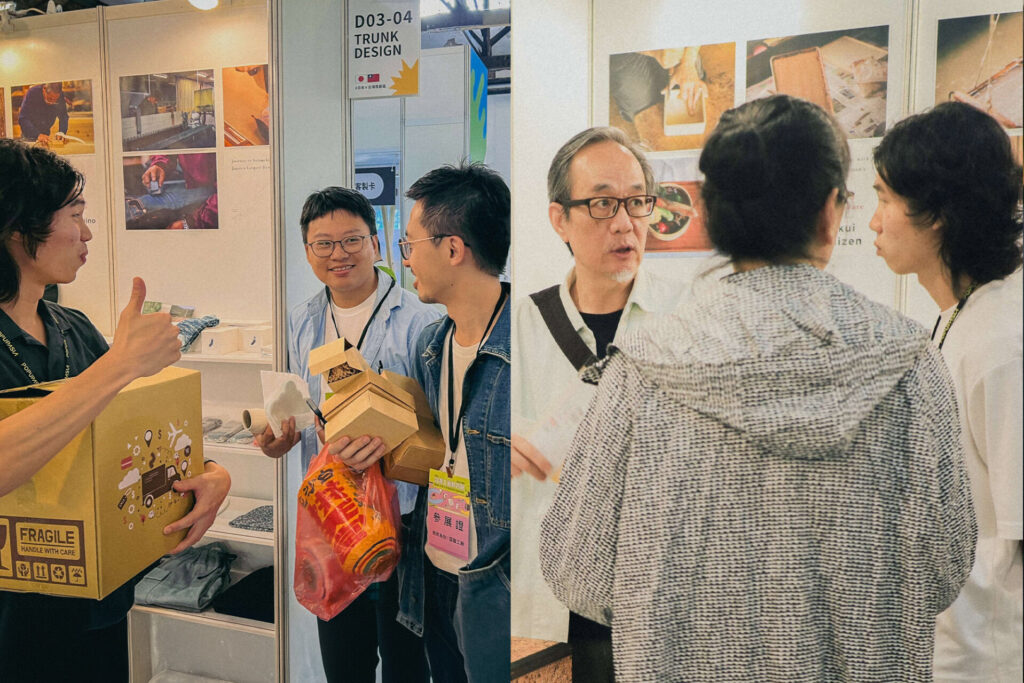
Local to Local also creates opportunities for business collaboration between Japanese makers, Taiwanese retailers, and international industry professionals.
For concept stores, lifestyle retailers, distributors, product developers, and sourcing professionals, the exhibition provides an opportunity to discover regional brands and communicate directly with their representatives.
Rather than relying only on product catalogs or online images, buyers can experience materials, examine product quality, and better understand the production capabilities and stories behind each brand.
These direct conversations may open possibilities for wholesale sourcing, distribution, collaborative product development, OEM projects, and longer-term business partnerships.
To support professional exchange,
POPUPASIA® has announced several buyer-oriented activities.
- Buyers Time — November 12, 2026, 10:00 AM–12:00 PM
Before the exhibition opens to the general public, professional buyers, media representatives, government-related guests, and invited VIPs will have a dedicated opportunity to explore the exhibition and connect with participating brands. - One-on-One Business Meetings
Planned business meetings will provide opportunities
for more focused discussions between buyers and exhibitors. - Buyer Tours
Guided visits are intended to help industry professionals understand the exhibition’s participating brands, regional manufacturing characteristics, and potential sourcing opportunities.
For buyers, Local to Local is more than a product-sourcing destination. It is an opportunity to build relationships with the people and regional industries behind the products.
For participating creators, it offers a platform to introduce their work to new markets while exploring future collaboration opportunities.
As POPUPASIA® celebrates its tenth anniversary, Local to Local reflects a broader vision of connecting regional creativity with international opportunities.
Build Local. Sell Global.
Frequently Asked Questions About
Local to Local at POPUPASIA® 2026
1. What is Local to Local at POPUPASIA® 2026?
Local to Local is a special Japanese and Taiwanese lifestyle craftsmanship exhibition jointly curated by POPUPASIA® and Kobe-based TRUNK DESIGN. Held at Warehouse 5, it introduces regional manufacturing, traditional techniques, contemporary products, and opportunities for cultural and business exchange.
2. Which Japanese craft brands will participate in POPUPASIA® 2026?
Planned participating brands include KAGEKIYO, FUJITA KINZOKU, CHOPLATE®, TATSUNO LEATHER, KOBE LEATHER, SHINTO TOWEL, BUNACO, YOSHINO wood & wisdom, COTON, and many others. The exhibition is expected to feature more than 60 brands from Japan and Taiwan combined. The final lineup may change.
3. What makes Japanese regional craftsmanship different from ordinary design products?
Japanese regional craftsmanship is closely connected to local materials, inherited manufacturing techniques, and the cultural history of specific communities. Many contemporary brands combine these traditions with modern design, creating products that remain useful and relevant in everyday life.
4. Where can I see Japanese regional crafts in Taiwan?
You can explore Japanese regional craftsmanship at Local to Local in Warehouse 5 of POPUPASIA® 2026, held at Songshan Cultural and Creative Park in Taipei from November 12 to 15, 2026. The exhibition brings together craft and lifestyle brands from 14 Japanese prefectures and four Taiwanese regions.
5. Can Taiwanese buyers collaborate with Japanese brands at Local to Local?
Yes. Local to Local is designed to encourage business exchange between participating creators, retailers, distributors, and other industry professionals. Planned opportunities include Buyers Time, one-on-one business meetings, buyer tours, and direct discussions about sourcing, distribution, and potential product development.
Visit Local to Local at POPUPASIA® 2026
From Japanese kitchen knives and ceramics to leather accessories, washi paper, woodworking, and Taiwanese regional crafts, Local to Local invites visitors to discover how local manufacturing becomes part of everyday life.
Whether you are a craft enthusiast, a design lover, or a professional buyer searching for distinctive products, Warehouse 5 offers an opportunity to explore regional creativity from Japan and Taiwan in one place.
2026 POPUPASIA® Asian Craft and Lifestyle Fair — 10th Anniversary
- Dates: November 12–15, 2026
- Opening hours: 10:00 AM–6:00 PM daily;
general admission begins at 12:00 PM on Thursday, November 12. - Venue: Songshan Cultural and Creative Park, Taipei, Taiwan
- Local to Local: Warehouse 5
- Annual theme: EXPO THE WORLD
- Organized by: POPUPASIA®
- Local to Local co-curator: TRUNK DESIGN
Discover Local to Local, explore the participating brands,
and plan your visit to Warehouse 5.
For exhibition information and ticket announcements,
visit POPUPASIA® Official Website or follow Local to Local on Instagram.
Participating brands, exhibition content,
and business activities are subject to updates by the organizers.
POPUPASIA® × TRUNK DESIGN
Build Local. Sell Global.
Want More Brand Stories?
Join POPPASS—our B2B platform connecting you with authentic, creative brands from across Asia. Explore exhibitor profiles, start collaborations, and be part of the POPUPASIA® network.
Join POPPASS ➜ Tutorial on how to register